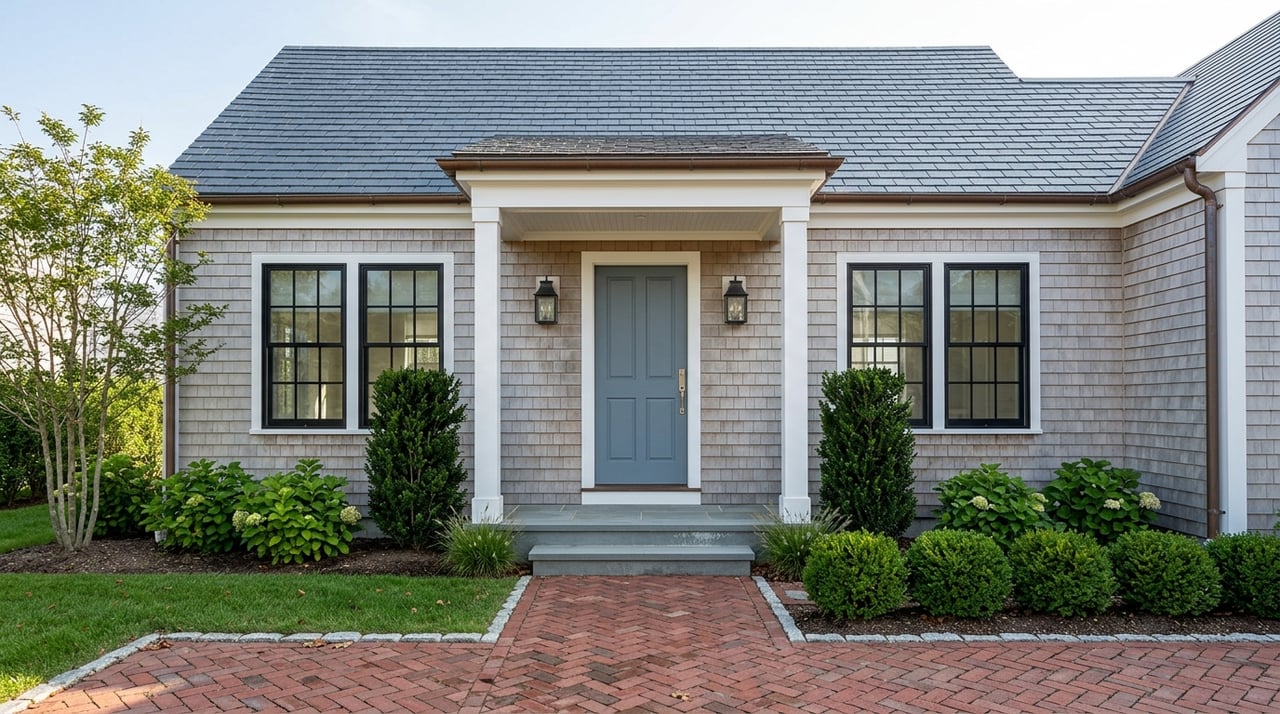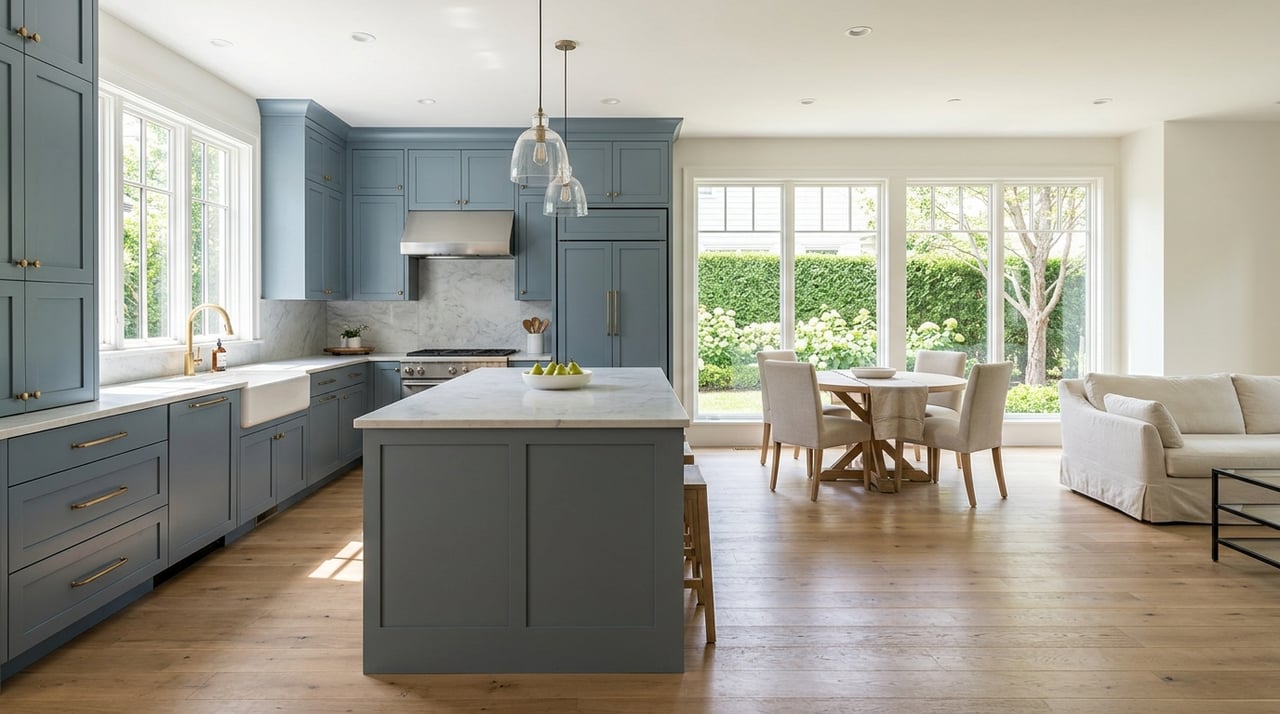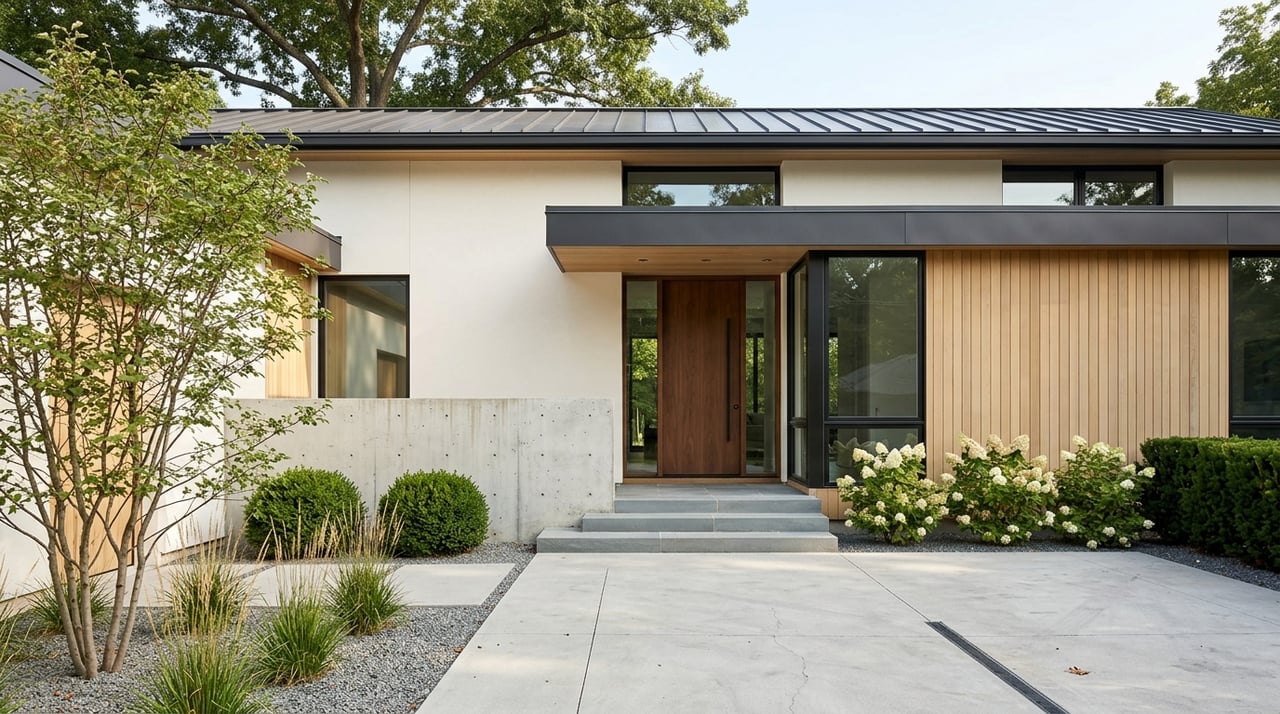
If you love architecture, New Canaan offers something few towns can match: a living collection of modern homes with real historical depth. You are not just looking at stylish houses here. You are stepping into a design legacy shaped by major postwar architects, thoughtful site planning, and a town that still values preservation and daily livability. If you want to understand what makes New Canaan’s modern homes so compelling, this guide will help you see the details that matter most. Let’s dive in.
Why New Canaan Matters for Modern Design
New Canaan’s modern-home story did not happen by accident. The town’s railroad connection to Stamford in 1866 helped establish it as an appealing retreat, and by the late 1940s and early 1950s, a remarkable group of architects was working here, including Eliot Noyes, John Johansen, Landis Gores, Philip Johnson, and Marcel Breuer.
That concentration of talent gave New Canaan a lasting place in architectural history. According to the New Canaan Museum & Historical Society, more than 100 modern houses were built between 1949 and 1973, while Connecticut’s State Historic Preservation Office documented 91 modernist houses in a 2008 survey. The counts differ because they measure different things, but the takeaway is clear: New Canaan’s modern legacy is extensive and well documented.
What makes this even more appealing for buyers is that New Canaan is not preserved as a static museum setting. The town is described by the museum as a vibrant community of about 20,000 with a walkable business district, so you can appreciate design pedigree while still enjoying the rhythm of everyday life.
How the Modern Enclave Took Shape
Postwar New Canaan gave architects room to experiment. Large parcels, mature landscapes, and a desirable suburban setting created an ideal backdrop for new residential forms that emphasized openness, light, and a stronger relationship between house and land.
A key early moment came on May 14, 1949, when the town held its first Modern House Day. That event featured several now-famous properties, including Noyes House 1, the Gores House, the Kniffin House, Breuer House 1, the Glass House, and the Rantoul House.
That history is still active today. The New Canaan Museum & Historical Society launched its Modern New Canaan initiative in 2020, and local programming continues to connect architecture, preservation, and public life through tours and design events.
The Design Language of New Canaan Modern Homes
Site Comes First
In New Canaan, great modern design often begins with the lot. The most memorable homes do not rely on ornament. Instead, they draw their identity from wooded edges, long views, privacy, stone walls, and the way the structure meets the terrain.
The Glass House offers the clearest local example. Its site began as a five-acre parcel in 1945 and later expanded to 49 acres with 14 structures. The landscape was organized around existing stone walls, barn foundations, and mature trees, showing how the land itself can shape the design.
For you as a buyer, this means the setting deserves as much attention as the house. A modern home in New Canaan often works best when the architecture and the landscape feel inseparable.
Glass Is About More Than Openness
When people think of modern homes, they often picture walls of glass. In New Canaan, though, glass is not just a visual statement. It is a tool for shaping light, directing views, and balancing openness with privacy.
At the Glass House, transparency is the central architectural idea. The home is described as a pavilion for viewing the landscape, and while there are no conventional interior walls, the floor plan still reads as a sequence of rooms. That was highly unusual in 1949 and remains influential today.
You can also see a different approach in the Gores Pavilion. Its hinged glass façade and bold cantilevers create drama, but the design also uses shadow and material contrast to make the experience feel grounded and livable.
Indoor-Outdoor Flow Defines the Experience
Many of New Canaan’s standout modern homes treat the outdoors as part of the living space. Rather than seeing the yard as separate, these houses often extend the room sequence into terraces, courtyards, and surrounding landscape.
Again, the Glass House is a strong model. Its spatial progression moves from living room to courtyard to landscape, making the outside feel like a continuation of the interior.
The Gores Pavilion reinforces the same idea in a more tactile way. Its galley kitchen looks out over Irwin Park, showing how a home can stay visually connected to its setting without relying on a single all-glass gesture.
Landmark Homes That Define the Town
Several properties anchor New Canaan’s reputation. The New Canaan Museum & Historical Society identifies Philip Johnson’s Glass House, Landis Gores’s Gores Pavilion, and the Hodgson House as National Register properties still standing in town.
The Glass House holds an especially prominent place in the story. It is also recognized as a National Trust Historic Site and a Connecticut National Historic Landmark, which reflects its architectural significance beyond the local market.
Connecticut’s State Historic Preservation Office has called New Canaan one of the most significant collections of mid-century modern houses in the United States. In 2010, the first statewide thematic listing of modern residential architecture added 18 New Canaan residences to the National Register.
What Preservation Really Means for Buyers
Preservation status can add meaning and prestige, but it is important to understand what it does and does not do. Connecticut’s State Historic Preservation Office notes that National Register listing is the nation’s official recognition of historic significance, but it does not automatically stop an owner from altering a property.
That distinction matters when you evaluate a home. Recognition may support long-term stature and architectural interest, but actual changes to a property may depend more on local rules than on a National Register designation alone.
For homes located within New Canaan’s local historic district, the process is more specific. The Historic District Commission requires a Certificate of Appropriateness before exterior architectural features can be erected or altered, and it reviews appearance, materials, scale, and spatial relationships.
The commission’s regulations also note that exterior and landscape lighting, site grading, excavation, and filling may involve other town or state approvals. At the same time, interior features, exterior paint, and softscape materials are outside the commission’s jurisdiction.
What Design-Focused Buyers Should Evaluate
Study the House on the Land
Before you focus on square footage, pay attention to how the house sits on its lot. In New Canaan, site design can be one of the strongest indicators of architectural quality.
Look for relationships between the structure and its surroundings. Mature trees, grade changes, stone walls, view corridors, and the way outdoor spaces unfold can tell you a great deal about whether the home captures the spirit of local modernism.
Review Daylight and Privacy
The best modern homes feel bright without feeling exposed. In strong examples, glass is carefully placed to frame specific views, separate public and private zones, and create connection to the outdoors in a way that still supports daily comfort.
As you tour homes, notice how light moves through the rooms at different times of day. You want a house that uses transparency with intention, not just one that looks open in photographs.
Ask About Renovation History
With architecturally significant homes, past changes matter. Additions, terraces, windows, and site work can all affect design integrity and, in some cases, preservation considerations.
A smart due-diligence file for a New Canaan modern home should include the property’s historic designation status, any local district constraints, and how much of the original design intent remains intact. That context can help you assess both livability and long-term value.
Why New Canaan Still Appeals to Design Enthusiasts
New Canaan’s modern identity remains visible because the town continues to interpret and discuss it. Modern New Canaan programming, Modern House Day, and the Glass House museum all help keep the architectural conversation current.
That ongoing engagement is part of the appeal. If you are drawn to homes with design pedigree, New Canaan offers more than isolated properties. It offers a broader cultural context that makes the experience of owning, buying, or simply studying these homes feel richer.
For buyers coming from Manhattan or elsewhere in Fairfield County, that combination can be especially compelling. You get a town with a strong design legacy, a lived-in community setting, and homes that still reward close attention to craftsmanship, siting, and light.
If you are considering a move to New Canaan and want a thoughtful, private approach to evaluating architecturally significant homes, Carla Kupiec can help you navigate the market with discretion and care.
FAQs
What makes New Canaan modern homes historically important?
- New Canaan became a major center for postwar residential modernism, with architects such as Eliot Noyes, John Johansen, Landis Gores, Philip Johnson, and Marcel Breuer designing homes in town, and with more than 100 modern houses reportedly built between 1949 and 1973.
What is the most famous modern home in New Canaan?
- Philip Johnson’s Glass House is the town’s best-known modern landmark and is recognized as both a National Trust Historic Site and a Connecticut National Historic Landmark.
What should buyers look for in a New Canaan modern home?
- You should pay close attention to site placement, privacy, daylight, view framing, indoor-outdoor flow, and renovation history, especially for homes with architectural significance.
What does National Register status mean for a New Canaan home?
- National Register status recognizes a property’s historic significance, but according to Connecticut’s State Historic Preservation Office, it does not automatically prevent an owner from making alterations.
What approvals may be needed for changes in New Canaan’s historic district?
- For properties in the local historic district, exterior architectural changes require a Certificate of Appropriateness, and some site work or lighting changes may also involve additional town or state approvals.