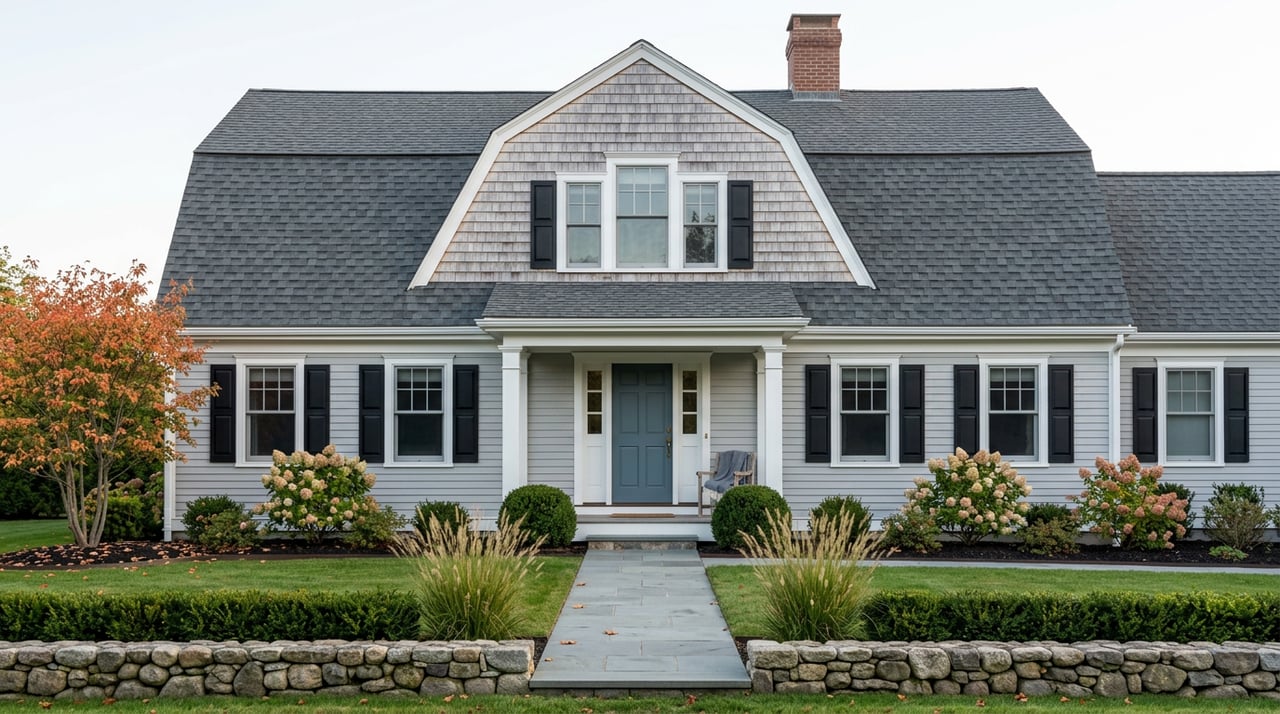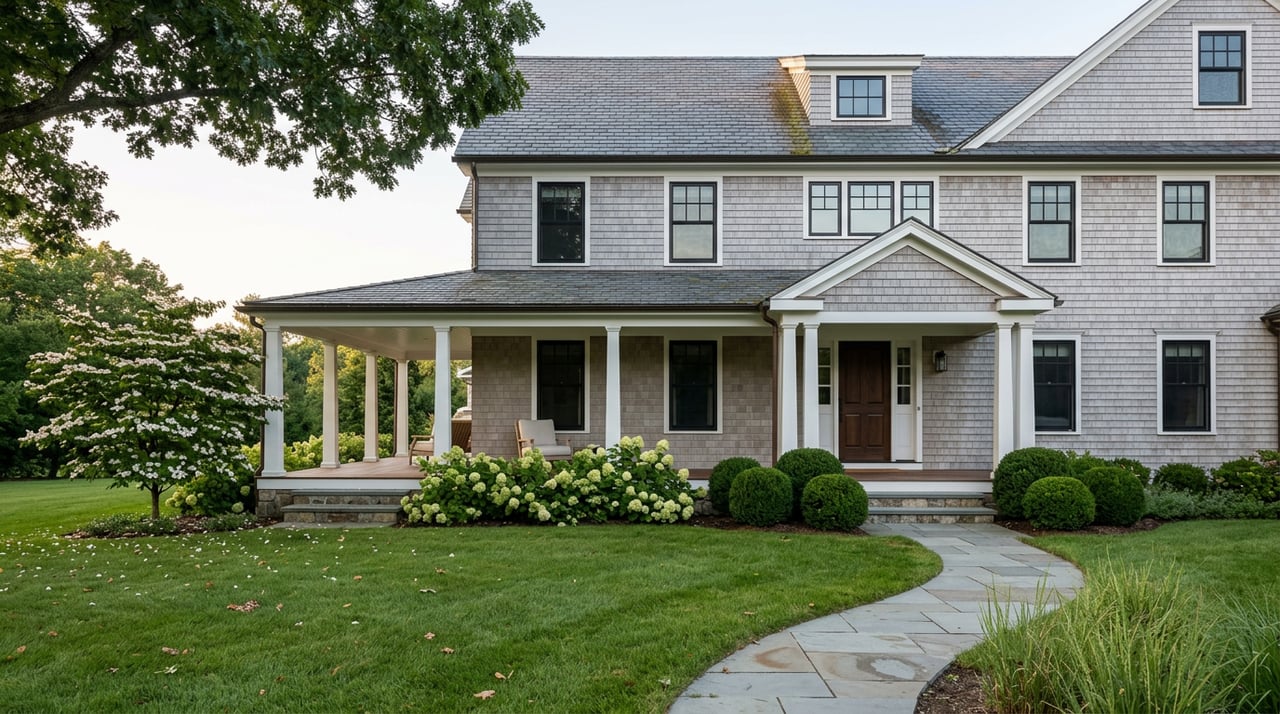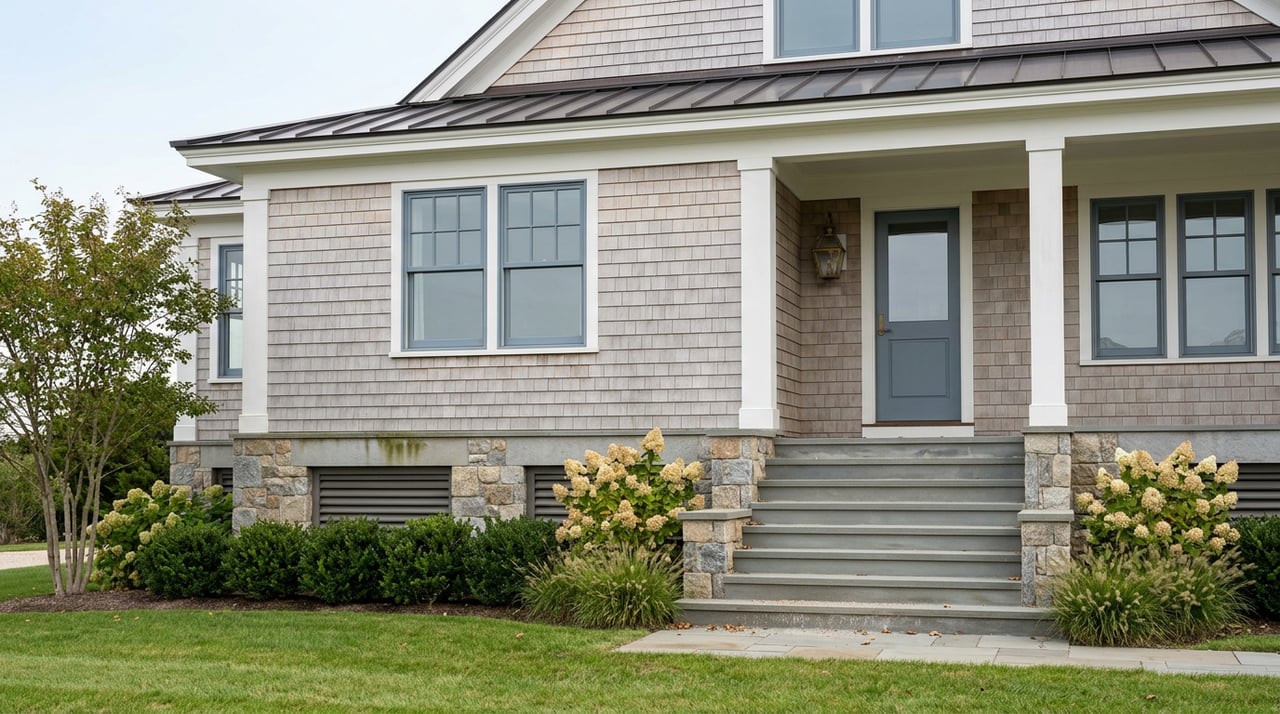
A property on Beachside Common sold for $5 million in October 2025. By March 2026, it was back on the market, not as a home but as a plan: eight bedrooms, ten bathrooms, 12,946 square feet, priced at $22,825,000 with an estimated completion date in mid-2027. The existing structure was headed for demolition, and the seller was asking buyers to pay for a house that does not exist yet, on the strength of a lot that already does.
That math is not unusual in Westport. It is the operating logic of the town's most coastal streets, where the land under a modest cape or ranch is worth more than the structure sitting on it, and where builders and investors have been running the same play for years: buy the site, clear it, build to the value the location supports. What the math does not show is everything that happens between the closing and the groundbreaking. That gap is where a clean-looking deal turns into a fifteen-month permitting exercise, and it is the part almost nobody prices into the offer.
The Number Everyone Already Knows
The land-over-structure logic is easy to state and easy to verify. Drive Compo, Saugatuck, or Greens Farms and count the additions being poured on quarter-acre coastal lots against the number of full rebuilds. The rebuilds are winning. A newer share of Westport's housing stock, built since 2000, reflects that pattern directly: owners and investors concluding that a full replacement pencils out better than trying to save a structure that was never going to justify the site underneath it.
That much is public knowledge, repeated in every land-buyer's pitch deck in town. The number that actually determines whether a project finishes on schedule is different, and it does not show up in the assessor's grand list or the listing photos. It shows up at the Conservation Commission.
The Gate Nobody Mentions Until The Site Visit
Westport regulates any activity within a defined buffer of a wetland, watercourse, or the town's Waterway Protection Line, and a meaningful share of the town's most desirable land sits inside one of those boundaries. The Inland Wetland and Watercourse Regulations require a 20-foot no-disturbance buffer around any regulated area for even routine landscaping, and any application touching a wetland, a watercourse, or the Waterway Protection Line area triggers a formal Conservation Commission review, often with a public hearing, unless the scope is narrow enough to qualify for staff-level Administrative Approval.
The commission's calendar is not theoretical. A hearing held in late April 2026 carried three applications that map almost exactly onto the pattern this piece is describing: a wetland boundary amendment on Long Lots Road, a new single-family residence with a detached garage, geothermal wells, and tennis court work on Saugatuck Avenue that falls partly within the Waterway Protection Line area of the Saugatuck River, and a new residence with an accessory dwelling unit and pool on Hillspoint Road. That docket is the real front door to a Westport rebuild. The land purchase is the easy part. Getting a plan through this review, on a timeline a lender or a family is comfortable with, is the actual project.
Why Nobody Renovates On Compo Beach Anymore
The second gate is federal, not local, and it explains a pattern that puzzles a lot of buyers touring Compo and Saugatuck: why so few owners choose an addition over a teardown, even when the existing house is structurally sound. Federal floodplain rules apply a threshold known informally as the 50 percent rule. Once a renovation's cost crosses half the pre-improvement market value of the structure, the entire project has to meet current flood-zone compliance, which typically means elevating the home to or above Base Flood Elevation. A significant share of the waterfront parcels in Compo and Saugatuck sit inside FEMA's AE and VE flood zone designations, so this is not an edge case. It is close to the default.
Once an owner is staring down a full elevation retrofit anyway, the math shifts. A ground-up rebuild that is designed to meet the elevation requirement from the start is often more efficient than a partial renovation that has to be re-engineered mid-project to comply. That is the quiet reason Westport's waterfront streets keep getting torn down rather than added onto. It has less to do with taste and more to do with which side of the 50 percent line the project falls on.
The Other Kind Of Ground Nobody Budgets For
Move inland to Coleytown and parts of Long Lots and the friction changes shape entirely. This is horse country by local reputation, home to antique colonials along Long Lots Road and close enough to the Fairfield County Hunt Club that the equestrian character is part of the pitch. It is also where ledge rock sits close to grade across much of the terrain, which matters the moment a buyer wants to add a pool, dig a basement, trench for utilities, or pour new footings. Solid ledge does not yield to a standard excavator. It requires blasting or pneumatic hammer excavation, and that line item rarely appears in a buyer's back-of-envelope renovation budget until the contractor's first site visit.
Two very different Westport neighborhoods, two very different reasons a straightforward-looking project turns into a longer one. Coastal lots fight wetlands review and flood compliance. Inland lots fight the bedrock underneath them.
The Footprint You're Actually Allowed To Build
Even a buyer who clears wetlands review, satisfies flood compliance, and avoids ledge rock still runs into Westport's zoning tiers. The town's residential districts, ranging from its most restrictive to its more permissive coastal and inland zones, each carry their own total-coverage and building-coverage caps, meaning a fixed ceiling on how much of a lot can be built on or paved regardless of how large the parcel is. A full acre does not automatically buy a large footprint if the coverage limit is tight. In practice, that pushes some buyers toward building up rather than out, or scaling back the pool deck and motor court they'd planned, once the actual allowable coverage is run against the site plan.
Here is how these frictions tend to sort by area:
| Where | The trigger | What it changes |
|---|---|---|
| Compo, Saugatuck | Wetlands, watercourses, Waterway Protection Line frontage | Conservation Commission review, often a public hearing, before any site work begins |
| Compo, Saugatuck | FEMA AE/VE flood zone designation | Renovations over 50 percent of structure value require full elevation compliance, pushing many owners toward a full rebuild |
| Coleytown, Long Lots | Ledge rock close to grade | Pools, additions, and utility trenching may require blasting or pneumatic excavation |
| Townwide | Total and building coverage caps by zoning tier | Footprint is capped by zone regardless of lot size, sometimes forcing vertical rather than horizontal design |
The Number That Actually Belongs In Your Offer
None of this means the land-value math is wrong. It means the math is incomplete until it includes the pre-construction runway. Site preparation in Westport, tree clearing, grading, utility hookups, and the less visible costs like remediating an old underground oil tank or securing a town permit for a new curb cut, can add well into six figures before the first stick of vertical framing goes up. Add the time cost of a Conservation Commission hearing cycle, and a project that looked like a twelve-month build on the back of a napkin can easily run fifteen months or more before the certificate of occupancy is anywhere in sight.
Buildable, unrestricted land in Westport is scarce enough that most available lots come with some version of this friction attached. That is precisely why the diligence has to happen before the offer is written, not after the inspection contingency has already expired.
Frequently Asked Questions
Does every waterfront lot in Westport need Conservation Commission review? Not every one, but a large share of the coastal parcels do. Any activity within the regulated buffer of a wetland, watercourse, or the Waterway Protection Line triggers review, and only smaller-scope projects outside that boundary qualify for the faster Administrative Approval path.
Is a full teardown always cheaper than a renovation on the coast? Not always, but the 50 percent rule changes the comparison. Once a renovation's cost crosses half the structure's pre-improvement value, the whole project must meet current flood-elevation standards, which often makes a rebuild designed around that requirement more efficient than a retrofit.
Does the ledge rock issue apply across all of Westport? No. It is most consistently reported in Coleytown and parts of Long Lots, where the rock sits close to the surface. Coastal neighborhoods like Compo and Saugatuck have their own separate set of site conditions tied to wetlands and flood zones rather than bedrock.
Can I find out a specific lot's zoning coverage limit before I make an offer? Yes, and it should happen before you write one. Coverage caps are tied to the property's zoning designation, and confirming the allowable footprint against your design intentions early avoids discovering a mismatch after you are already under contract.
If you are weighing a Westport lot against its finished value, the land math is only half the analysis. Carla Kupiec works this market from the buyer's side of that equation, coordinating with the local teams who can read a site's wetlands exposure, flood zone status, and coverage limits before you are committed to a closing date. Schedule a private consultation to walk through a specific parcel before you write the offer, not after.