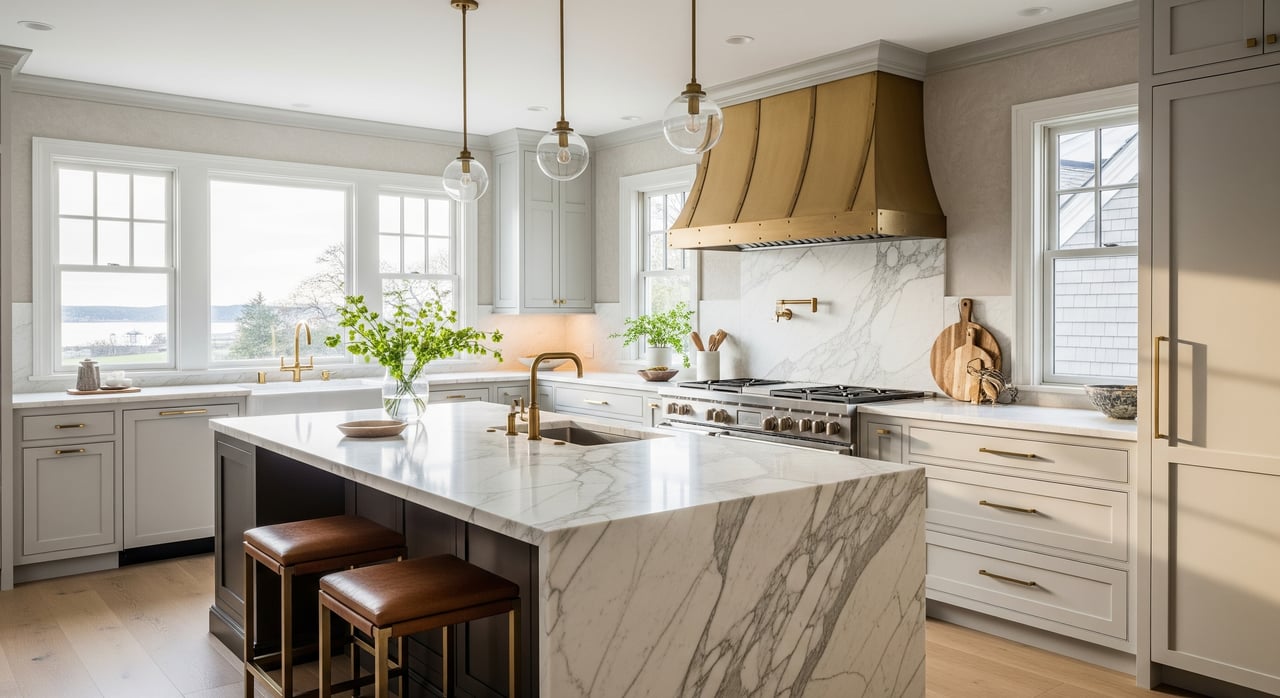
Is your kitchen doing the heavy lifting that Greenwich luxury buyers expect? In this market, the kitchen is both a showpiece for entertaining and a serious workspace for daily life. Whether you plan to sell soon or want to invest wisely, understanding what truly signals luxury will help you prioritize with confidence. Here is a clear guide to the features, finishes and layouts that stand out in Greenwich and Lower Fairfield County. Let’s dive in.
What signals luxury in Greenwich
Luxury buyers here look for a cohesive, high‑quality kitchen that connects seamlessly with the rest of the home and outdoor living. They expect professional‑grade appliances, integrated refrigeration, custom cabinetry and premium stone or engineered surfaces. Back‑of‑house support spaces like a walk‑in pantry or scullery, plus dedicated beverage and wine storage, are strong signals of value. Easy indoor‑outdoor flow for entertaining is also a frequent priority, especially in homes with terraces, patios and pools.
Finishes and materials buyers expect
Cabinets and millwork
Custom or semi‑custom cabinetry with full‑extension soft‑close hardware is the norm at the high end. Buyers notice inset doors or refined frameless construction, dovetail drawer boxes and integrated organizers that feel purposeful, not flashy. Appliance garages and hand‑finished focal areas add depth and function to the design. Consistency across the main level helps the kitchen feel integrated with formal and casual spaces.
Countertops and backsplashes
Premium natural stone like marble or quartzite and high‑performance engineered quartz read as both luxurious and practical. Buyers respond to large slabs with minimal seams and honed or leathered finishes on working islands. A carefully scaled backsplash can tie the palette together without visual clutter. The goal is a clean, durable surface story that supports heavy use.
Flooring and surfaces
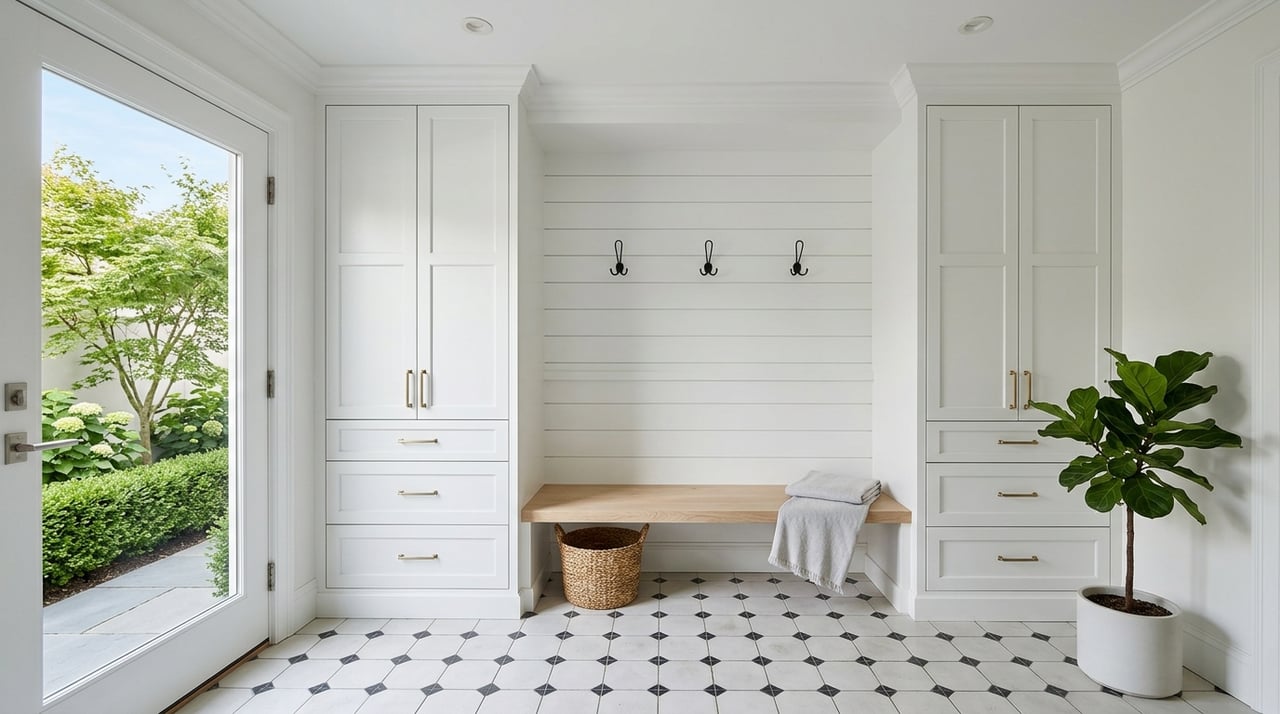
Wide‑plank hardwoods that continue through adjacent rooms create a seamless, elevated look. In mudrooms and enclosed outdoor kitchens, large‑format porcelain offers durability and easy maintenance. Materials should balance elegance with serviceability so the kitchen performs during busy weeknights and larger gatherings.
Lighting and hardware
A layered lighting plan matters. Recessed general lighting, under‑cabinet task lighting and refined pendants over the island help you work and entertain with ease. Integrated lighting inside display cabinets adds warmth and depth. Hardware in brushed brass, aged nickel or matte black should coordinate with plumbing and lighting for a composed finish.
Avoid patchwork fixes
Luxury buyers value execution. Mismatched upgrades like premium counters paired with builder‑grade cabinets can undermine perceived quality. If you are updating before listing, aim for a consistent level of finish across cabinetry, counters, backsplash and lighting.
Appliance suites that impress
The core suite
Professional or near‑commercial cooking capability is a primary signal of luxury. Buyers expect a 36–60 inch gas or dual‑fuel range, or a cooktop with separate wall ovens from recognized luxury brands. Integrated, panel‑ready refrigeration is preferred, often with additional freezer drawers or a second built‑in for larger homes. High‑end dishwashers, speed or combination ovens, warming drawers and built‑in coffee systems are common, along with under‑counter refrigeration for beverages or prep.
Systems and infrastructure
Powerful ventilation with the correct hood size and make‑up air is essential, especially with professional ranges. Dedicated 240V circuits for specialty ovens and adequate mechanical space for built‑ins help ensure the kitchen functions without compromise. Buyers also look for reliable water delivery systems and thoughtful electrical planning that supports future upgrades.
Integration and tech
Smart appliance integration and zoning are increasingly expected in newer luxury listings. App control, inventory alerts and coordinated systems add convenience, but reliability and serviceability still take precedence. Brand recognition continues to influence buyer confidence and perceived value.
Pantries and sculleries that sell
Walk‑in pantry essentials
A walk‑in pantry supports everyday life and entertaining. Buyers appreciate floor‑to‑ceiling shelving, a counter for small appliances, and often a small sink or under‑counter fridge. A minimum useful footprint around 5 by 5 feet allows functional shelving and circulation, with larger spaces preferred for bulk storage.
Butler’s pantry or scullery
Positioned between the kitchen and dining or entertaining rooms, a butler’s pantry or scullery keeps staging and cleanup out of sight. Features like an extra prep sink, a second dishwasher, warming drawers and storage for serveware add real utility. Wine or beverage stations are often incorporated for effortless hosting.
Full service kitchen
For larger estates, a separate service kitchen can handle heavy prep and post‑event cleanup. This may include a ventilated cooktop or oven, a commercial‑grade dishwasher and ample mechanical ventilation. The result is a main kitchen that stays pristine while entertaining.
Storage details that matter
Adjustable shelving, roll‑out trays, deep drawers for pots, high‑capacity pull‑out units and dedicated bins for recycling and compost improve daily function. Humidity‑controlled wine storage or a conditioned wine room resonates with serious collectors and frequent hosts.
Indoor‑outdoor flow in Greenwich
Architectural moves that matter
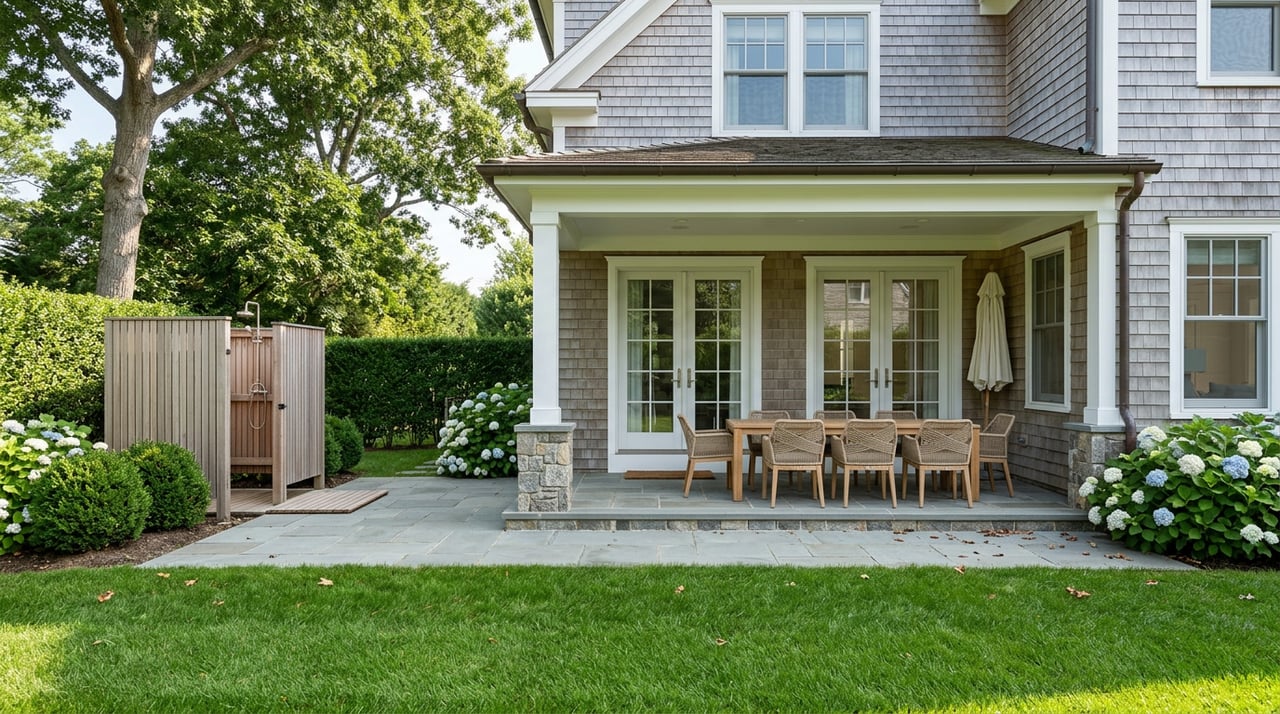
Large operable glass doors that open to covered terraces help the kitchen extend outdoors. Level thresholds support barrier‑free transitions for serving and circulation. Thoughtful orientation for sun, shade and privacy encourages regular use of outdoor spaces.
Outdoor kitchen must‑haves
Built‑in grills, refrigeration drawers, sinks and warming drawers set the foundation for alfresco cooking. At higher tiers, pizza ovens or wood‑fired features add a signature touch. Durable exterior‑grade countertops like granite, porcelain or stainless steel, plus weather‑resistant storage, keep the space looking sharp over time.
Climate‑smart materials
In Connecticut’s freeze–thaw climate, exterior finishes and systems should be specified for durability and low maintenance. Lighting, audio and heating elements can extend evening use through shoulder seasons. The easier the space is to use and maintain, the more buyers value it.
Seller playbook: prioritize for impact
- Resolve functional issues first. Fix appliance reliability, ventilation, plumbing or roof leaks, and any damaged cabinetry or flooring. These defects depress offers more than cosmetic mismatches.
- Update critical luxury components. Replace or service major appliances that are outdated or worn. Ensure refrigeration and ranges are integrated and fully operational.
- Tackle high‑impact surfaces. Consider new countertops or a re‑slabbed island with bookmatched stone, refined cabinetry finishes or paint, and an upgraded backsplash and lighting plan.
- Add or elevate pantry/scullery. If space allows, convert an adjacent area into a well‑appointed pantry or butler’s pantry to boost utility and perceived luxury.
- Improve indoor‑outdoor access. Where feasible, enhance thresholds or add larger glazing to connect the kitchen to outdoor living. Even modest improvements can increase appeal.
Budget and timing
Choose durable, neutral and high‑quality materials over quick cosmetic fixes. Secure estimates and weigh cost versus marketability. Often, resurfacing an island or replacing counters delivers a strong visual return without a full gut renovation.
Staging for showings
Stage the kitchen as both social and functional. Clear the counters, leaving a few curated accessories. Highlight beverage or wine stations, set the outdoor dining table to demonstrate flow and use layered lighting to showcase materials.
Permits and service records
Plan ahead for permits if you are moving exterior walls or adding mechanicals for outdoor kitchens. Electrical upgrades for additional 240V circuits and proper make‑up air for pro ranges are common hidden costs. Keep inspection reports and service records on appliances and systems to reassure buyers.
Buyer checklist: evaluate with confidence
- Function and service: Confirm whether appliances are professional series and ask for age and service records. Check ventilation capacity and make‑up air, and verify dedicated circuits for major appliances.
- Storage and support spaces: Look for a walk‑in pantry or scullery and note features such as sinks, refrigeration and shelving depth. Assess both display and bulk storage.
- Materials and maintenance: Identify countertop and flooring materials and ask about care routines. For outdoor kitchens, confirm exterior‑grade materials and winterization.
- Indoor‑outdoor usability: Test the operation of doors and glazing systems, and check that thresholds are level. Consider orientation and shelter for regular use.
- Resale and adaptability: Evaluate whether the layout and mechanical routes can accommodate future upgrades or a different appliance configuration.
- Comfort and tech: Review lighting layers and controls, integrated audio or home automation, and water filtration or instant hot systems.
Bringing it all together
A Greenwich‑ready luxury kitchen is defined by function, craftsmanship and seamless connection to how you live and entertain. Focus your investment on reliable infrastructure, professional‑grade appliances, premium surfaces and support spaces that keep the main kitchen pristine. When you align these elements with indoor‑outdoor living, you create a space that resonates with discerning buyers and stands the test of time.
If you are weighing upgrades before listing or want a private perspective on what will move the needle for your property, connect with Carla Kupiec to discuss strategy. As a Darien‑based broker with a direct NYC buyer pipeline, Carla can help you prioritize improvements, stage effectively and position your home for a premium outcome. Schedule a private consultation.
FAQs
Do Greenwich luxury buyers expect professional ranges?
- Yes. Buyers value professional or near‑professional ranges for capability and signaling. A high‑quality cooktop with wall ovens plus strong ventilation can be a suitable alternative.
How important is a walk‑in pantry or scullery for resale?
- Very important in the local luxury market. A well‑appointed pantry or scullery often influences buyer decisions because it supports entertaining without cluttering the main kitchen.
Will an outdoor kitchen increase my home’s appeal in Greenwich?
- Yes, when designed for local climate and frequent use. Execution, exposure and weatherproof materials determine how much premium it adds.
Are smart appliances worth the investment for listing?
- They are increasingly expected, but reliability, serviceability and respected brands matter more than features alone. Integration should support, not complicate, daily use.
What kitchen upgrades deliver the best pre‑listing impact?
- Address function first, then update major appliances and ventilation. High‑impact surfaces, enhanced lighting and a true pantry or scullery often provide strong visual and practical returns.
What should I verify about ventilation in a luxury kitchen?
- Confirm the hood’s CFM rating matches the cooking equipment and that make‑up air is provided where required. Proper duct sizing and electrical capacity are also key.