Trading skyline views for shoreline breezes can feel like a big leap. If you love Manhattan’s energy but crave more space, a yard, and strong public schools, Darien in 06820 is likely already on your radar. You want facts, not fluff, to decide if the move fits your work, family, and budget. In this guide, you’ll compare housing, commute, lifestyle, schools, and ongoing costs with clear, local context so you can decide with confidence. Let’s dive in.
Darien vs. Manhattan at a glance
Darien is a coastal town in southwestern Fairfield County with a residential feel, local beaches, and a compact downtown. It is smaller in scale and slower in rhythm than Manhattan’s 24/7 pace. The trade you make is straightforward: you give up density and constant convenience for space, privacy, and a community-centric lifestyle.
Most movers fit a familiar profile: two-income households, professionals who commute to NYC a few days per week, and families seeking larger homes and yards while keeping access to Manhattan jobs and culture.
What you get for your money in 06820
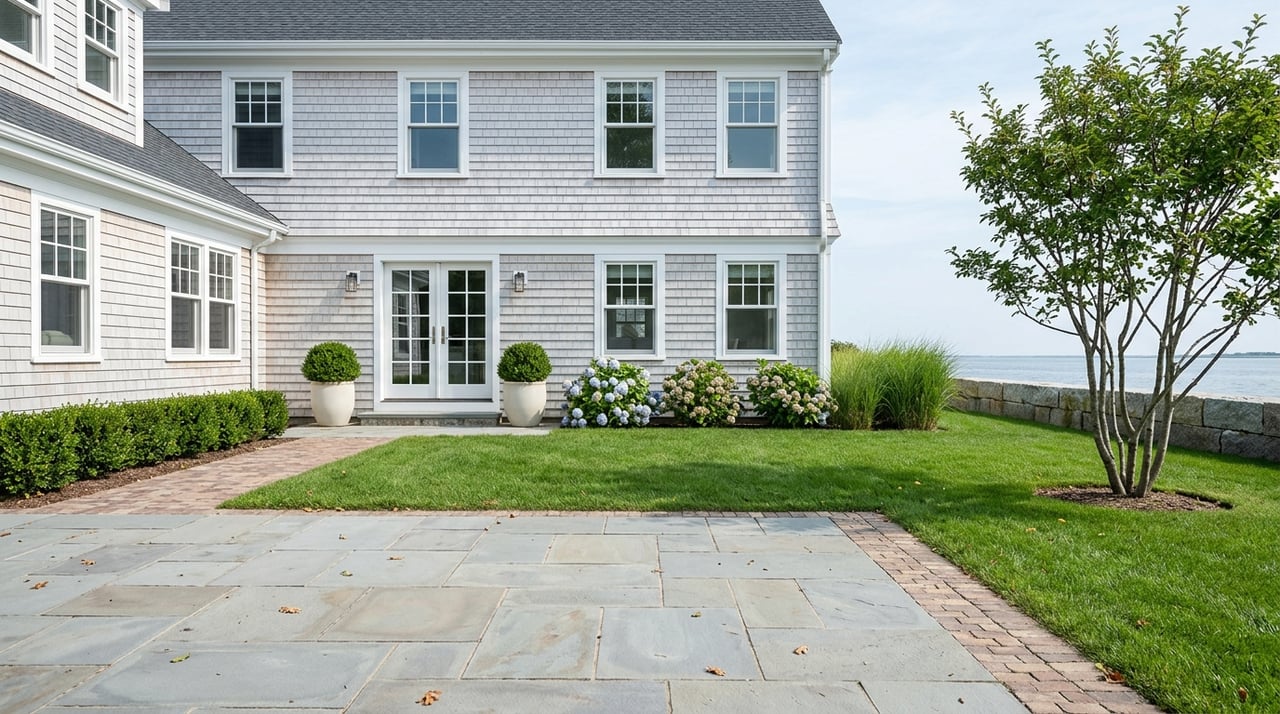
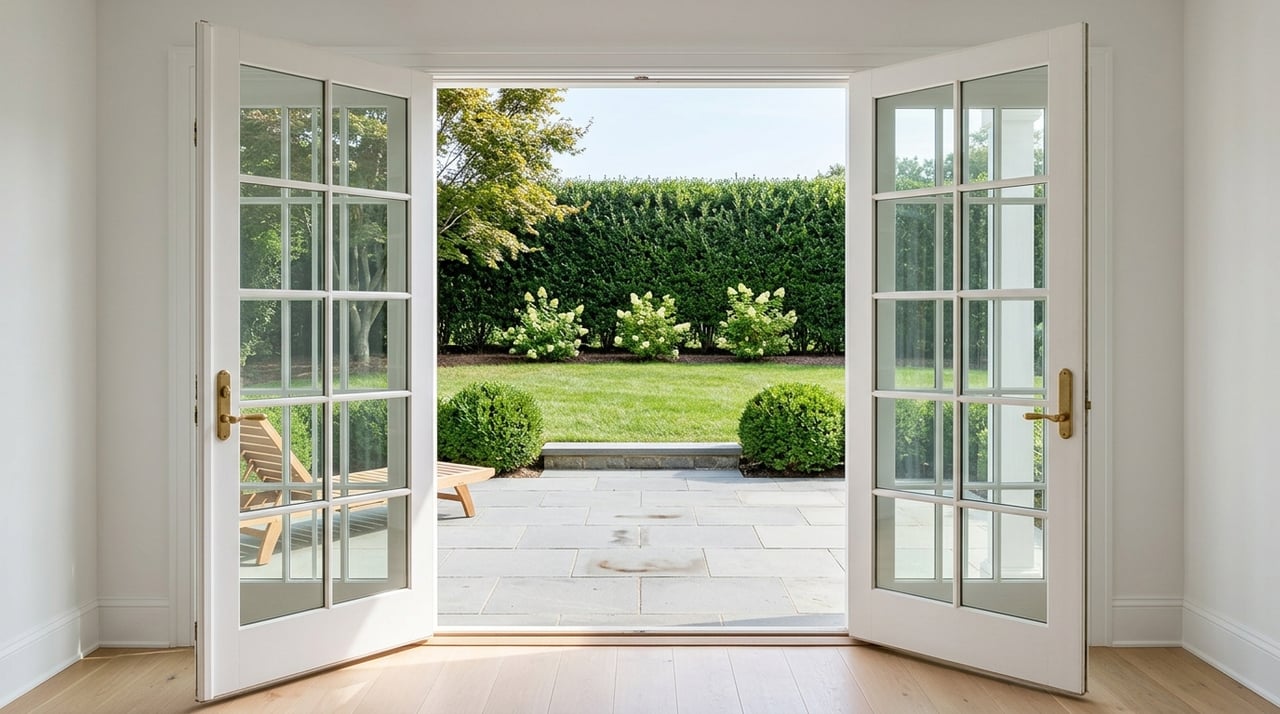
Housing in Darien is predominantly single-family: classic Colonials, Tudors, ranches, mid-century homes, newer luxury builds, and waterfront estates in areas like Tokeneke. You will also find some condominiums and multifamily options, though far fewer than in urban neighborhoods. Lot sizes tend to be larger, with private yards and lower-rise streets.
Darien is one of the more expensive towns in Fairfield County. Single-family prices run from the upper hundreds of thousands into the multi-million range, with many recent sales above $1 million. The post‑2020 surge pushed values up, and by 2023–2024 many suburbs began to normalize with longer days on market in some segments. Results vary by price band, and inventory can be tight, especially for well-priced, move-in-ready homes tied to strong school districts.
Compared with Manhattan, the price per square foot is typically lower, and you gain bedrooms, storage, and outdoor space. What you give up is proximity to a full urban services ecosystem on your block.
Commute realities to Manhattan
If your job is in Midtown, rail is the simplest plan. Darien sits on the Metro‑North New Haven Line with two in-town stations, Darien and Noroton Heights. Peak express trains to Grand Central commonly run about 45 to 55 minutes depending on service patterns. Off‑peak or local trains take longer. Monthly commuter passes are standard for frequent riders.
Parking near stations exists through municipal lots and permits, but availability is limited. Many buyers prioritize walking distance or a short drive to the train. If you drive, Darien’s location along I‑95 and the Merritt Parkway makes it possible, but plan for variability. Under ideal conditions you might reach lower Manhattan in roughly 45 to 60 minutes; in peak traffic, 60 to 90 minutes or more is common. Bridge or tunnel congestion and Manhattan parking costs add to the total.
Hybrid schedules have changed the calculus. For many professionals, a 45 to 55 minute rail trip a few days per week is reasonable when balanced against more space and a quieter home base.
Daily life and amenities
Darien’s day-to-day life centers on home, neighborhood, schools, and the water. You will find:
- Beaches and waterfront access, including local favorites like Weed Beach, for swimming, paddleboarding, sailing, and seasonal gatherings.
- Parks and conservation areas for walking, youth sports, and weekend downtime.
- A compact downtown with restaurants, small shops, grocery options, and professional services. For broader dining and retail, residents often head to nearby Stamford or Greenwich, or make a weekend trip to NYC.
Social life tends to be more neighborhood and family oriented. You will see more school events, youth sports, and community activities rather than late‑night venues. Many families shift city culture to weekends while enjoying quieter weeknights at home.
Schools and education
Darien Public Schools are frequently ranked highly within Connecticut. Families focused on K–12 public education often place Darien on their shortlist. Darien High School typically posts strong graduation and college matriculation results. If schools are central to your decision, review current state performance data and visit campuses to understand fit.
As with most towns, desirability often clusters around specific neighborhoods and proximity to schools or transit. Well-priced homes in these areas can draw strong interest.
Costs beyond the purchase price
Budgeting for a suburban home involves more than the sale price. Plan for:
- Property taxes. Darien’s high property values translate to substantial annual tax bills. The exact amount depends on assessed value, exemptions, and the local mill rate.
- State income tax. Connecticut has a progressive state income tax and no local income tax in Darien. If you are relocating from NYC, your total tax picture will change. The net impact depends on your household income and property choice.
- Utilities and operations. Larger homes bring higher costs for heating, cooling, landscaping, snow removal, and general maintenance.
- Childcare and activities. Daycare, private lessons, and household help can be comparable to or higher than Manhattan in some categories, depending on demand.
For many buyers, the added space, schools, and lifestyle balance the higher operating costs. A clear budget and pre‑move plan make the transition smoother.
Neighborhoods to know in Darien
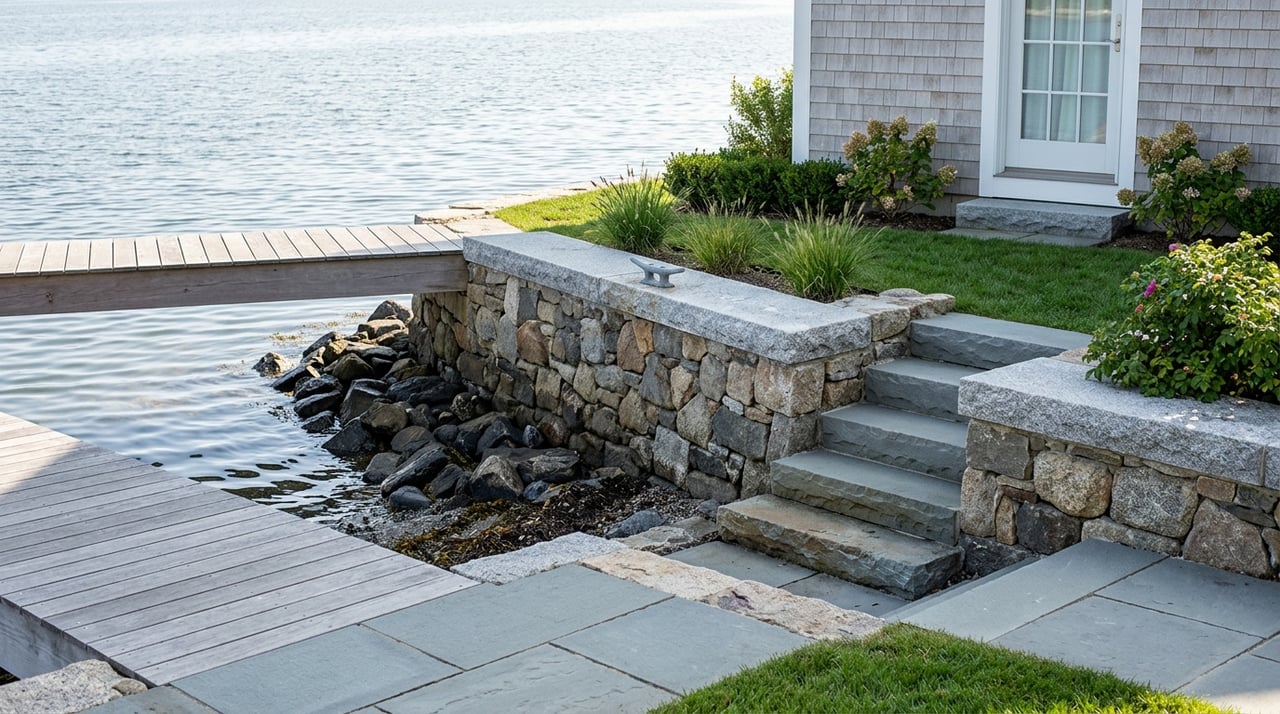
- Tokeneke. A waterfront enclave with estates, some private docks, and scenic shoreline. Buyers seek privacy and coastal access.
- Noroton and Noroton Heights. Convenient to commuter rail and local services, with more compact neighborhoods and some multifamily options.
- Downtown Darien. Walkable to shops and dining, with a small selection of condos and townhomes.
Proximity to the train and schools often drives demand and long-term value. Waterfront and Tokeneke-area properties tend to be especially resilient over time.
Nearby comparisons: Greenwich, New Canaan, Westport, Stamford
- Greenwich. Generally higher price points and a broader mix of neighborhoods, with a national and international resident base.
- New Canaan. Known for residential character and notable architecture, with a classic village center.
- Westport. Strong arts presence and coastal amenities, plus a lively dining scene.
- Stamford. A larger commercial hub with more urban energy and some faster express train options, along with a wider range of housing types.
Most buyers weigh commute time, school quality, and housing value across these towns before deciding. Darien’s appeal sits at the intersection of coastal living, strong schools, and a manageable Midtown commute.
Is Darien the right move for you?
Ask yourself:
- How many days per week do you need to be in Manhattan, and can you commit to a 45 to 55 minute train ride on those days?
- Is a larger home, yard, and access to beaches worth the shift from 24/7 urban convenience?
- Does your budget account for property taxes, utilities, and suburban operating costs?
- Which neighborhood features matter most: proximity to the train, schools, or the water?
- How important is public school performance to your decision?
If you value space, a coastal-suburban routine, and reliable rail access to NYC, Darien is a strong contender. The right fit often comes down to matching your commute pattern and neighborhood preferences with a realistic budget and a clear wish list.
How we help you make the move
You want a trusted advisor who understands both sides of the river. With a bi‑regional practice centered in Darien and direct experience in Manhattan, we help you:
- Pinpoint the right neighborhoods based on commute, schools, and lifestyle priorities.
- Access on‑market and select off‑market opportunities aligned with your timeline and price range.
- Compare total ownership costs with clarity, from taxes to maintenance.
- Navigate the offer, inspection, and closing process with discreet, white‑glove support.
When you are ready to explore, schedule a conversation to map your move and preview curated options. Connect with Carla Kupiec to schedule a private consultation.
FAQs
How long is the Darien to Grand Central commute?
- Peak express trains commonly take about 45 to 55 minutes, with longer times off‑peak or on local service.
What are typical driving times from Darien to Manhattan?
- Under ideal conditions you might reach lower Manhattan in roughly 45 to 60 minutes, but peak traffic can extend the trip to 60 to 90 minutes or more.
How competitive is the Darien housing market for buyers from NYC?
- Inventory can be limited, especially for well‑priced homes near schools or transit, so expect competition on properties that are move‑in ready.
Are Darien public schools considered strong within Connecticut?
- Yes. Darien Public Schools are frequently ranked highly in the state, and Darien High School typically shows strong graduation and college matriculation results.
How do taxes change when moving from Manhattan to Darien?
- You trade NYC local income tax for Connecticut’s state income tax, and you will pay local property taxes in Darien. The net impact depends on your income and the property you purchase.
What lifestyle shifts should Manhattan movers expect in Darien?
- More driving for errands, a quieter weeknight routine, greater reliance on local community activities, and more space for at‑home living and outdoor time.
Which Darien neighborhoods are best for train access?
- Noroton and Noroton Heights offer convenient access to commuter rail, while Downtown Darien places you close to shops and the station.
Is Darien a good long‑term investment?
- Homes near strong schools and transit typically hold value well over time. Waterfront and Tokeneke-area properties are often especially resilient, though market cycles matter.