If you are planning to buy a waterfront home in Rowayton, it helps to look beyond the view. A shoreline address can offer daily access to Long Island Sound, boating, and outdoor living, but it also comes with rules, logistics, and upkeep that differ from an inland purchase. The more clearly you understand those moving parts, the more confidently you can evaluate the right property for your goals. Let’s dive in.
Why Rowayton waterfront living feels different
Rowayton is not simply a neighborhood near the shore. It is the Sixth Taxing District of Norwalk, and that structure still supports a distinct local setup that includes its own library, beach, two parks, streetlights, volunteer fire department, and garbage collection. For you as a buyer, that means waterfront living here often feels like a coastal village lifestyle as much as a home purchase.
That setting is closely tied to the water. Norwalk describes its coastal character and quality of life as deeply connected to Long Island Sound and the harbor. In practical terms, buying in Rowayton means thinking about how you want to live by the water, not just how close you want to be to it.
Know the waterfront terms first
Not every listing near the shore offers the same rights or experience. Before you focus on finishes or lot size, it helps to understand what kind of property you are actually considering.
True waterfront
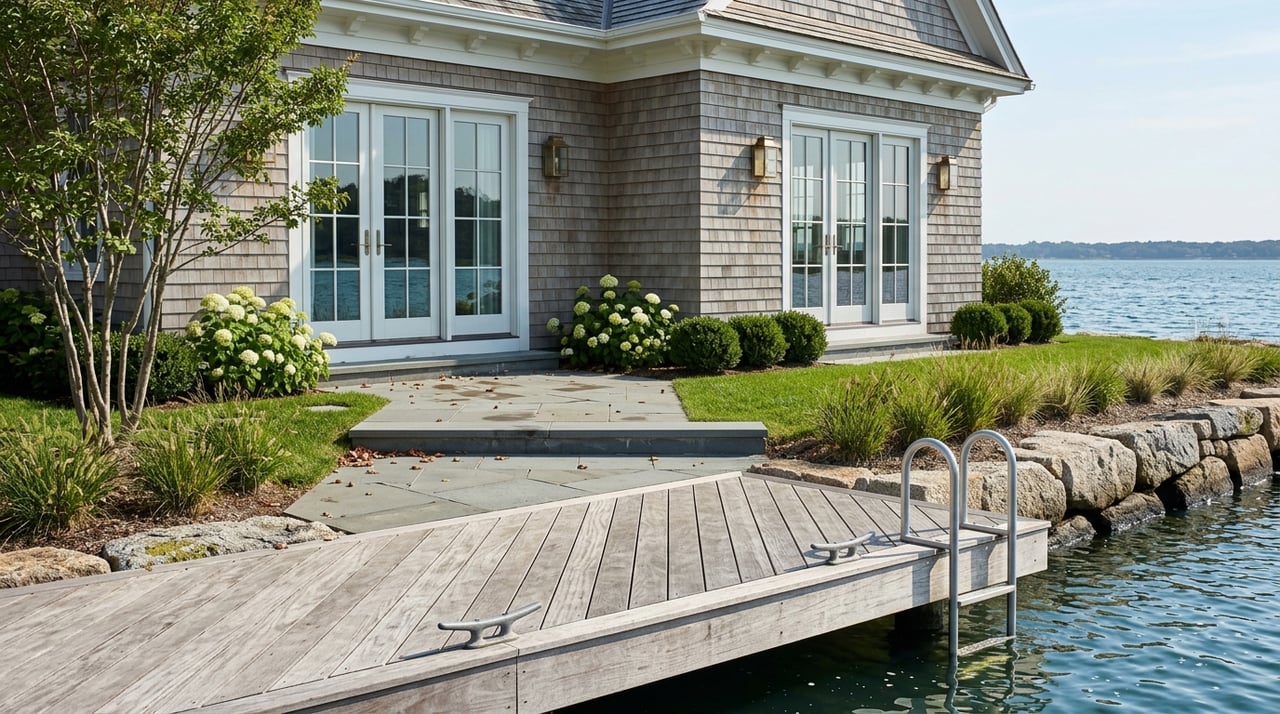
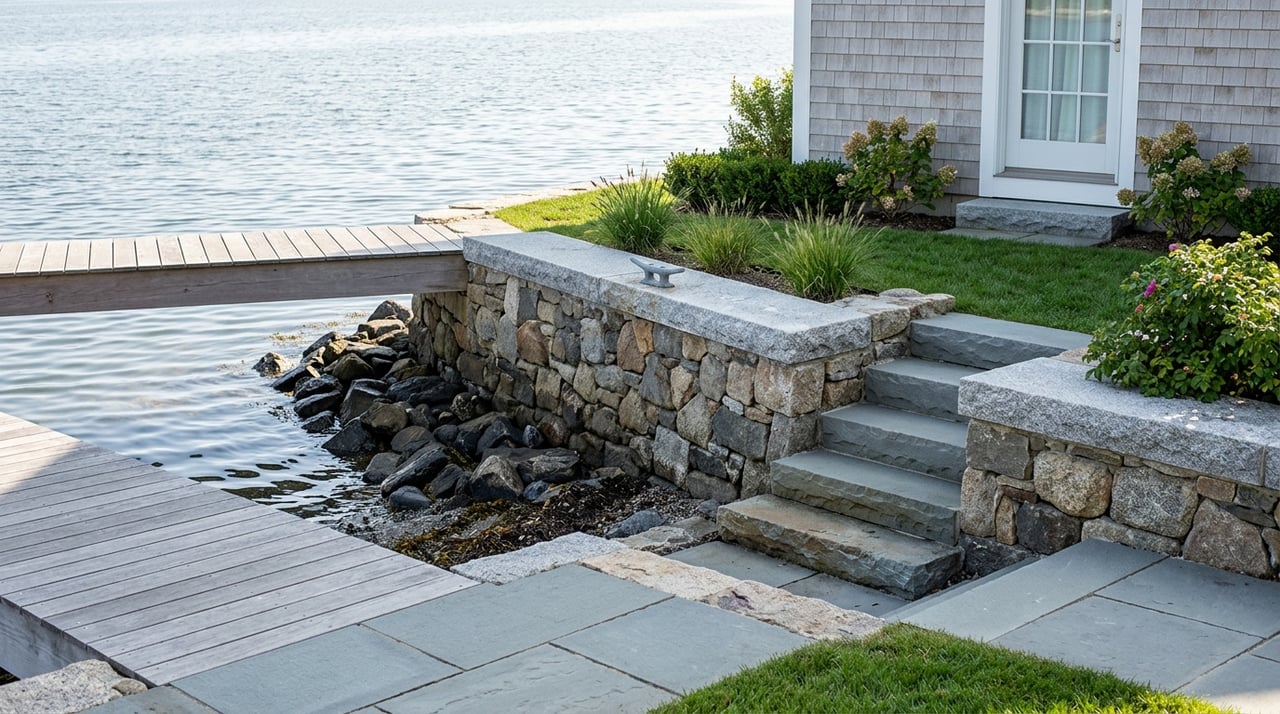
A true waterfront property directly abuts the water. In Connecticut, DEEP explains that waterfront ownership may include littoral access to navigable water, with access potentially supported by shore launch, a mooring, or a properly permitted dock. At the same time, the area waterward of mean high water is part of the public trust, so it should not be treated as fully private yard space.
Waterview
A waterview home may offer beautiful sightlines without direct access rights. For some buyers, that is the best balance of lifestyle and simplicity, especially if boating is occasional rather than central to daily use.
Beach-access or near-water
Some properties offer beach access, shared access, or simply proximity to the shoreline. These homes can still deliver the Rowayton coastal experience, but you will want to confirm exactly what is deeded, shared, or assumed before moving forward.
Ask what access really comes with the home
One of the most important early questions is simple: what exactly comes with the property? A home may have direct shoreline access, a dock, a mooring arrangement, or only a view and the possibility of applying for boating access later.
That distinction matters because access assumptions can easily outpace what the paperwork supports. Before you rely on a listing description, review the deed, survey, easements, association rules, and any harbor or mooring paperwork tied to the property.
Understand docks, moorings, and boating logistics
If you picture keeping a boat in Rowayton, start planning early. Norwalk Harbor is a major recreational boating center in western Long Island Sound, with 15 marinas, 13 private clubs with boating facilities, more than 1,800 berthing spaces, and more than 500 mooring locations. That scale supports a real boating lifestyle, but it also means demand can be competitive.
Moorings are regulated and assigned
Norwalk’s mooring system is not casual or automatic. Mooring permits are handled through the city’s online system, annual fees apply, locations are assigned by the Harbor Master, and permits are generally nontransferable. There may also be waiting lists, which is why buyers should ask detailed questions well before closing.
Ongoing responsibilities matter
A mooring is not a set-it-and-forget-it amenity. Norwalk’s rules require mooring tackle inspections every two years, and permit holders are expected to monitor storm forecasts and take added safety measures, including removing vessels from moorings when needed.
Occasional boaters should plan differently
If you only expect periodic boating use, you may not need a property with its own dock or permanent mooring solution. Norwalk’s visitor-docking information directs boating questions to the Harbor Master, and Connecticut maintains information on publicly accessible transient slips and moorings for those who need occasional access.
Check whether your boating plans require certification
If you expect to operate a boat after you move, confirm the licensing rules before closing. Connecticut DEEP states that anyone operating a motorboat or a sailboat 19 1/2 feet or longer in Connecticut generally needs a Safe Boating Certificate, a Certificate of Personal Watercraft Operation, or a valid U.S. Coast Guard license.
If you plan to use a personal watercraft, a CPWO is generally required. If towing skiers or tubes is part of your summer plan, a Safe Water Skiing Endorsement is also required. It is a small step, but it is worth checking early so your first season on the water starts smoothly.
Plan for permits before planning improvements
Many waterfront buyers immediately think about outdoor living. Expanded decks, patios, outdoor kitchens, shoreline seating, and water-facing entertaining areas are often part of the appeal. A current Rowayton coastal site plan review application at 135 Rowayton Avenue, which includes a new deck, sauna, outdoor kitchen, and patio, offers a useful local example of the kinds of upgrades buyers often imagine.
The key is that waterfront improvements are often subject to review. Norwalk’s coastal rules indicate that docks, seawalls, revetments, groins, marsh alterations, and other shoreline work may require formal review or permits. That means you should evaluate not only what a home has today, but also what may realistically be approved later.
Expect a seasonal rhythm to waterfront life
Waterfront living in Rowayton changes with the calendar. The nearest official NOAA climate reference point, Bridgeport, shows an annual mean temperature of 53.4°F, annual precipitation of 44.09 inches, and annual snowfall of 33.6 inches. July’s mean daily temperature is 75.7°F, while January’s is 37.0°F, which helps explain why a shoreline property can feel like two very different homes depending on the season.
In warmer months, the coast is active and outward-facing. In colder months, your priorities may shift toward storm preparation, winterization, and protecting outdoor features from weather exposure.
Summer access is only part of the picture
Norwalk’s beach and park system runs on a clear seasonal schedule. Parking fees at major beach and park sites apply from May 15 to October 15, kayak rack rentals at Calf Pasture and Shady Beach run from April 1 to November 1, and kayaks must be removed by November 1. The city also notes there are no lifeguards on duty after Labor Day at Shady Beach.
These details may seem small, but they reflect a larger truth about local coastal living. The shoreline is busiest from late spring through early fall, and your use of outdoor amenities will likely follow that same rhythm.
Prepare for weather and storm readiness
A waterfront home offers an immediate connection to the coast, but that comes with exposure to changing conditions. The broader Atlantic hurricane season runs from June 1 to November 30, and Norwalk’s harbor rules specifically remind mooring permittees to watch forecasts and secure vessels accordingly.
For you, that may mean planning ahead for boats, outdoor furniture, kayaks, cushions, and other equipment as weather changes. A waterfront purchase is not only about enjoying summer weekends. It is also about being comfortable with seasonal preparation and response.
Coastal maintenance is different from inland maintenance
Shoreline homes require a different maintenance mindset. Connecticut DEEP notes that tides, currents, winds, storm surge, erosion, and shoreline movement continually shape the coast. Those natural processes can affect both the feel of a property and the practical decisions that come with owning it.
It is also important to know that hard protective structures are regulated. DEEP warns that seawalls, groins, bulkheads, and jetties are not automatically available simply because an owner wants to preserve a lot line or backyard. If you are comparing properties, look carefully at existing shoreline conditions and ask what maintenance or future work may be realistic under current rules.
Start flood review early
Flood due diligence should happen early, not after you are emotionally committed to a home. FEMA’s map service center is the official source for flood mapping, and flood insurance is not bundled into a standard homeowners policy.
That does not mean every waterfront purchase is the same from an insurance standpoint. It does mean you should confirm the property’s flood mapping and understand the insurance implications as part of your initial evaluation, alongside taxes, surveys, and title review.
A practical Rowayton waterfront checklist
If you want to narrow your options efficiently, use a disciplined framework from the start.
What to confirm before you buy
- Whether the property is true waterfront, waterview, beach-access, or simply near the water
- Whether there is direct littoral access, a deeded dock, an assigned mooring, or only the ability to pursue access later
- What the deed, survey, easements, and any association documents say about shoreline use
- Whether existing or planned improvements may require coastal review or permits
- How flood mapping and flood insurance may affect ownership costs
- Whether your boating plans require a Connecticut certificate or endorsement
- Whether mooring availability, assignment rules, or waiting lists could affect how you use the property
Why guidance matters in this market
A Rowayton waterfront purchase often looks straightforward from the street and far more nuanced in the documents. The right home for you may not be the one with the most dramatic first impression. It may be the property where access, permitting, maintenance expectations, and long-term fit are best aligned with how you actually want to live.
That is where local context matters. In a market shaped by shoreline regulations, boating logistics, and highly specific property differences, careful guidance can help you move with more clarity and less guesswork.
If you are weighing waterfront options in Rowayton and want a thoughtful, private approach to the search, schedule a consultation with Carla Kupiec.
FAQs
What should you verify before buying a waterfront home in Rowayton?
- You should confirm whether the property offers true waterfront access, a dock, a mooring, or only water views, and review the deed, survey, easements, and any related harbor or association documents.
Do all Rowayton waterfront homes come with boating access?
- No. Some homes have direct water access, some may have a dock or mooring arrangement, and others may only offer views or proximity to the shore.
Can you add a dock or shoreline improvements to a Rowayton property later?
- Possibly, but many coastal improvements such as docks, seawalls, revetments, groins, and marsh-related work may require formal review or permits under local and state coastal rules.
How does mooring work for Rowayton and Norwalk buyers?
- Mooring permits are handled through Norwalk’s system, locations are assigned by the Harbor Master, annual fees apply, permits are generally nontransferable, and buyers may encounter waiting lists.
Do you need a boating certificate to use a boat in Connecticut waters near Rowayton?
- In many cases, yes. Connecticut generally requires a Safe Boating Certificate, a Certificate of Personal Watercraft Operation, or a valid U.S. Coast Guard license depending on the vessel and how you plan to use it.
Why is flood review important when buying a Rowayton waterfront home?
- Flood mapping and insurance can materially affect ownership costs, and flood insurance is not included in a standard homeowners policy, so it is important to review those details early in the process.