Trying to decide between Fairfield’s beach area and Greenfield Hill? You’re not alone. Both offer standout lifestyles, yet the feel on the ground is very different. In this guide, you’ll compare lot sizes, architecture, outdoor access, commute options, and day‑to‑day rhythm, then use a short checklist to choose with confidence. Let’s dive in.
The big picture: two Fairfield lifestyles
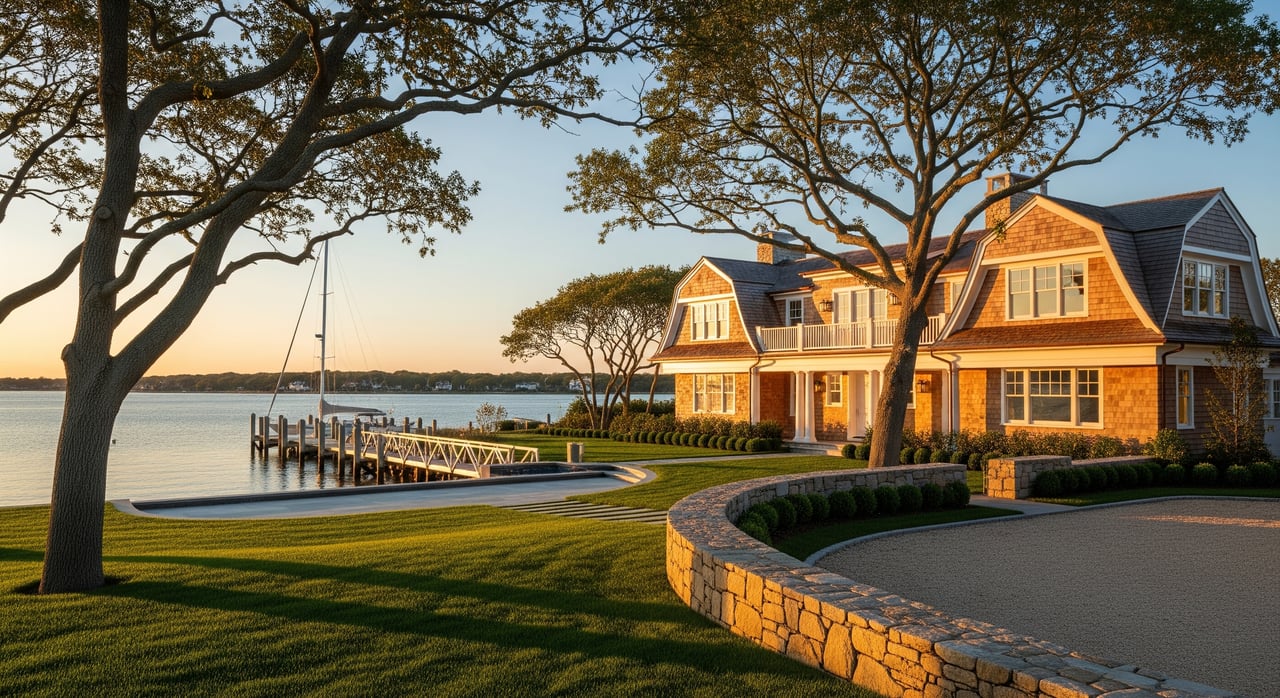
Beach area, at a glance. You get coastal living with walkable pockets near town amenities and parks. Lots tend to be smaller, with a mix of historic cottages and newer rebuilds. The town’s beaches host year‑round and seasonal programming, and downtown restaurants and shops are close by. The Parks & Recreation Master Plan outlines amenities and activities at sites like Jennings and Penfield, which anchor community life in warmer months (Fairfield Parks & Recreation Master Plan).
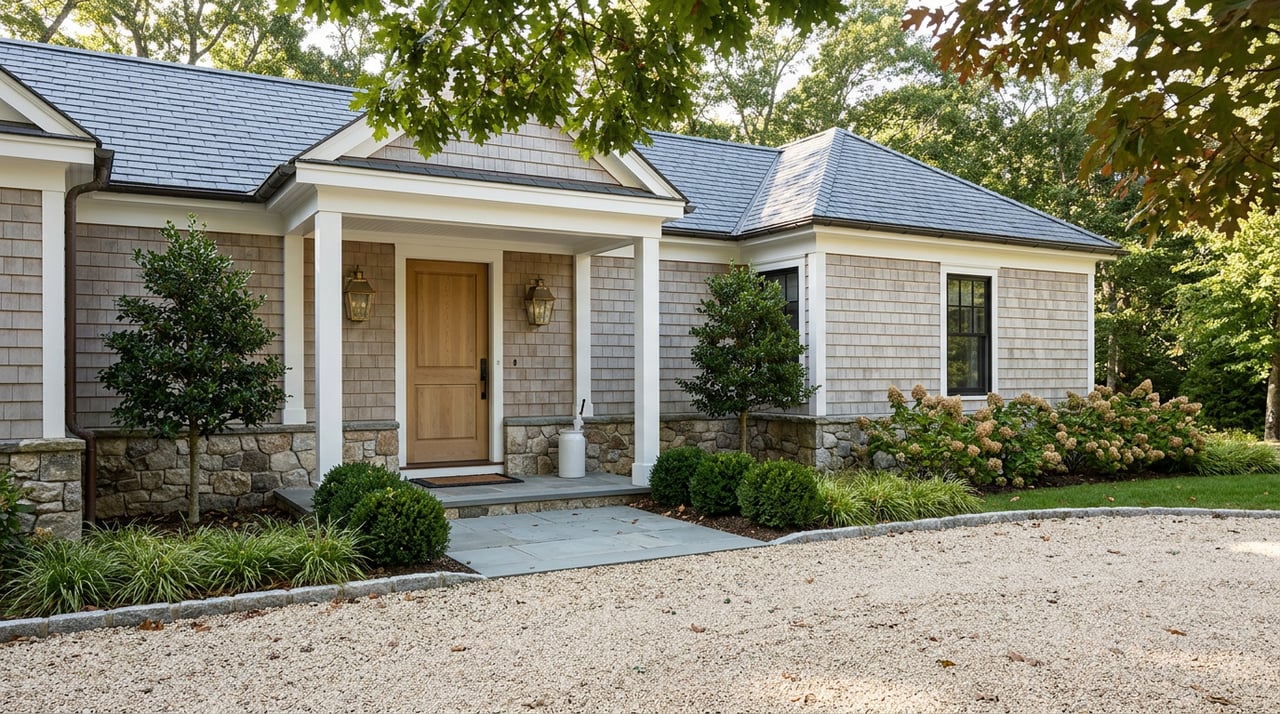
Greenfield Hill, at a glance. Set inland around a historic village green, Greenfield Hill offers a quiet, estate‑like setting with larger yards and a preserved streetscape. Many homes reflect Colonial, Federal, and Colonial Revival architecture, and the Historic District helps maintain that character (Fairfield Historic District Commission Handbook). The result is a pastoral feel with stone walls, mature trees, and village‑green gatherings.
Homes and architecture
Beach‑area homes
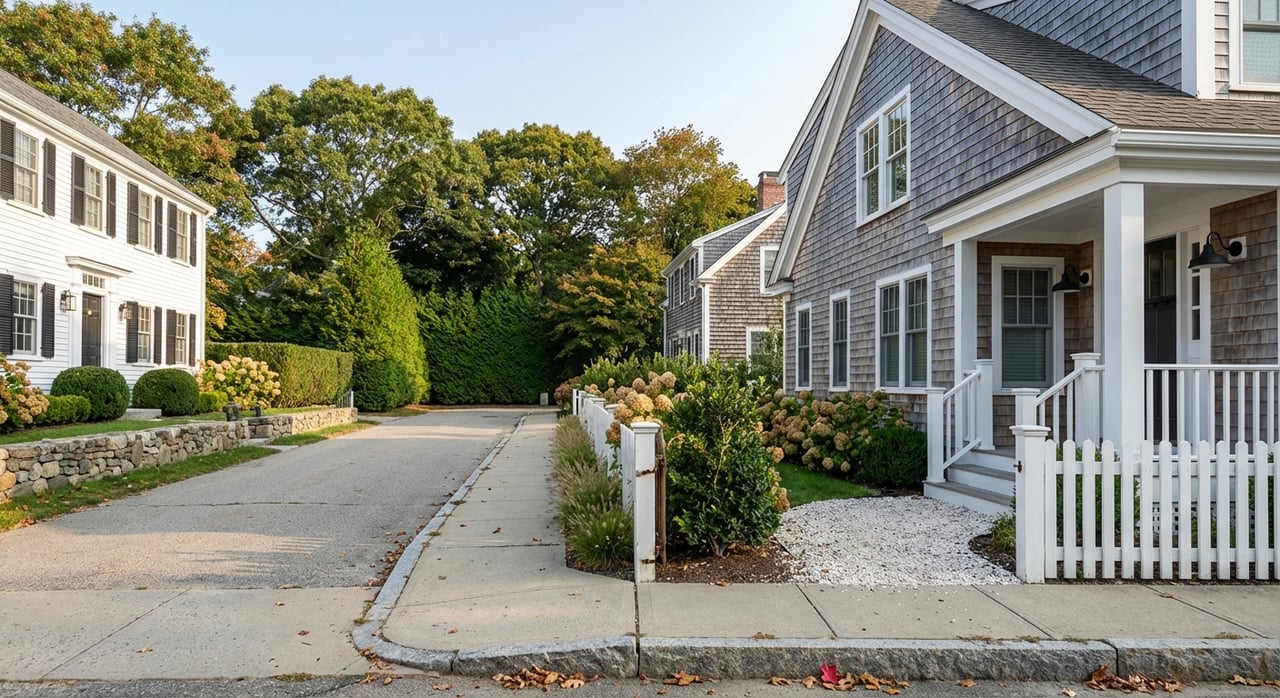
You’ll see early 20th‑century cottages and bungalows alongside mid‑century Capes and Colonials. Many original seaside houses have been renovated or replaced by new builds. Parcels are often tighter than inland neighborhoods, which shapes the streetscape and walkability.
Greenfield Hill homes
Architecture near the village green leans Colonial and Federal, with later Colonial Revival and estate interpretations. The Historic District guides exterior changes to preserve a cohesive look and scale (Historic District Commission Handbook). If architectural continuity and a classic New England village feel appeal to you, this may resonate.
Lot sizes and zoning 101
Fairfield’s zoning explains much of what you feel on a drive. Inland areas often sit in districts where minimum lot sizes are larger. Examples include A at 1 acre and R‑2 at 2 acres. In contrast, the Beach District recognizes much smaller minimums, with conforming lots noted around 9,375 square feet in many cases. These rules shape why Greenfield Hill reads as “estate‑like” while the beach area feels more compact (Fairfield Zoning Regulations).
What this means for you: if privacy, room for a pool, or space for outbuildings is essential, target properties in A or R‑2 zones and filter by acreage. Parcels do vary, so confirm lot size in the town GIS and review any overlays with Planning & Zoning. If you value a manageable yard and shorter walks to parks and dining, the beach area delivers that scale.
Outdoor living and daily life
Beach access and parks
Fairfield operates several public beaches, including Jennings, Penfield, Sasco, South Pine Creek, and Southport. Facilities may include pavilions, concessions, play areas, and community programming. The shoreline becomes a social hub in summer, with easy access to waterfront recreation and town events (Parks & Recreation Master Plan).
Greenfield Hill’s green spaces
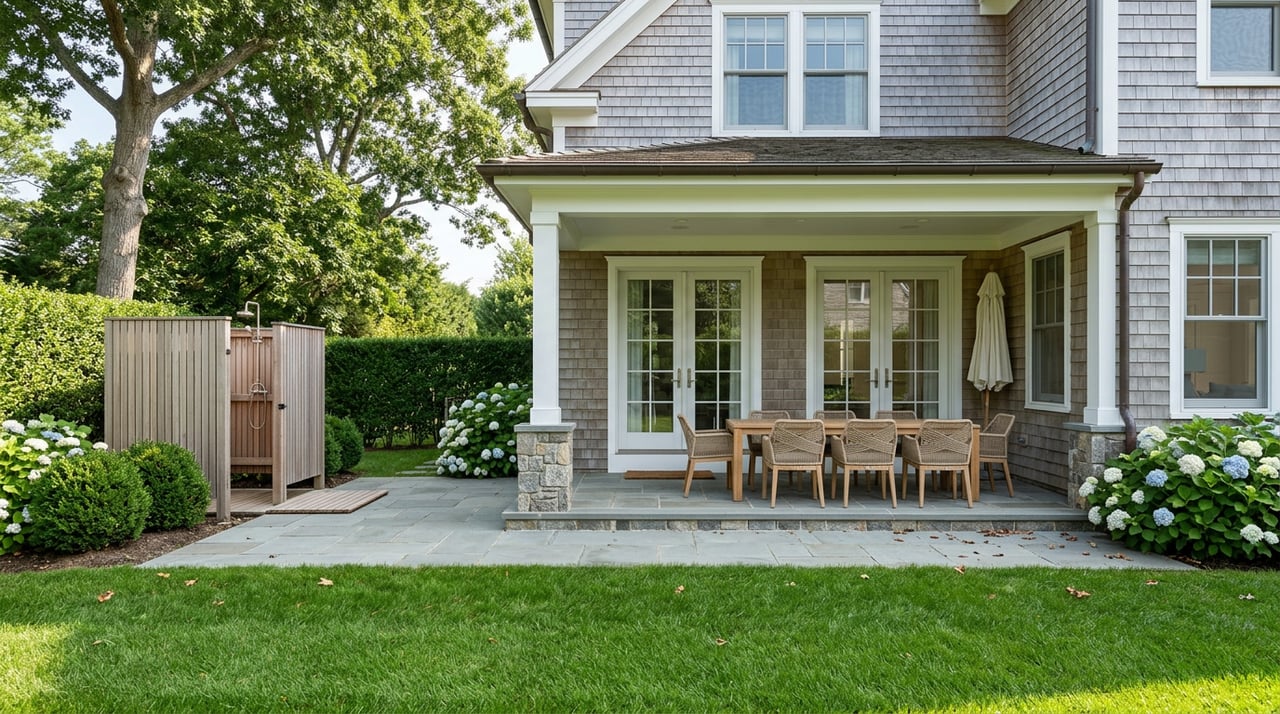
Here, the outdoors feels more private and pastoral. The village green and church grounds create a traditional New England gathering place. Historic features like stone walls and former agrarian sites add texture, while larger yards support gardens, play space, and landscape projects (Historic District Commission Handbook).
Commute and convenience
Rail to NYC
Fairfield is served by the Metro‑North New Haven Line with stations at Fairfield, Southport, and Fairfield Metro. Trains provide one‑seat service to Grand Central, with times varying by train and hour. Check station details and schedules before you decide which station fits your routine (MTA station page for Fairfield).
Driving patterns
I‑95 and the Merritt Parkway carry most east‑west trips. Beach neighborhoods are typically closer to I‑95 and downtown. Greenfield Hill sits inland with quicker access to the Merritt, which many drivers prefer for certain commutes. Drive both routes at your expected hours to confirm real times.
Ownership and maintenance
Coastal homes often involve additional checks for salt, wind exposure, and flood‑related inspections. Inland estate properties tend to require more landscape and grounds care. Build these recurring costs into your plan so your lifestyle and budget align.
Which lifestyle fits? A quick decision checklist
- Lot and outdoor priorities
- Do you want a manageable yard near the shoreline, or 1–2+ acres with privacy and room for a pool or outbuildings? If acreage is key, focus on A or R‑2 zones and filter by parcel size (Zoning Regulations).
- Proximity and walkability
- Is walking to the beach, dinner, or downtown a must? Beach‑area pockets are generally more walkable. Greenfield Hill is walkable within the village core but car‑oriented for most errands.
- Commute testing
- Try a mock commute at the exact hours you plan to travel. For rail, review schedules and station parking rules so your door‑to‑door plan is accurate (MTA Fairfield).
- Maintenance and lifestyle
- Coastal exposure vs. estate‑scale grounds lead to different maintenance rhythms. Choose the one that suits your time and preferences.
- Zoning and historic considerations
- If exterior remodeling is in your plans, verify whether a property sits in the Greenfield Hill Historic District and understand the approval steps (FHDC Handbook).
Day‑in‑the‑life examples
If you choose the beach area
Morning coffee on the porch, a quick walk to the shoreline, and an easy bike ride to downtown for dinner. Weekend plans often include sand, playgrounds, and seasonal town events. Daily life skews active and close to community amenities.
If you choose Greenfield Hill
Start the day on a quiet patio with tree‑lined views, then choose a scenic route to the Merritt for your drive. Afternoons might involve gardening or yard games, with evening walks by the village green. Life centers on space, privacy, and a classic village setting.
How to move forward
- Pull official parcel data in the town GIS and confirm zoning for any property you like. Cross‑check minimum lot areas and permitted uses in the regulations (Zoning Regulations).
- If you are drawn to Greenfield Hill, verify whether the address falls within the Historic District and review the exterior change process early (FHDC Handbook).
- Tour homes at different times to test traffic, noise, and sunlight. Do a live commute trial on both rail and road.
- Ask your agent to run a targeted search filtered by acreage, historic‑district status, and, for the beach area, any flood‑related considerations that matter to you.
If you want a clear, side‑by‑side view of current options in both areas, schedule a private consultation with Carla Kupiec.
FAQs
What distinguishes Fairfield’s Beach District zoning from inland areas?
- The Beach District recognizes much smaller minimum lots, while inland zones like A and R‑2 require larger parcels. These rules explain compact coastal blocks versus estate‑like streets inland (Zoning Regulations).
Do I need historic approvals to renovate in Greenfield Hill?
- If a property lies within the Greenfield Hill Historic District, exterior changes typically require review to preserve the village character. Check boundaries and process with the FHDC (FHDC Handbook).
How is the NYC commute from Fairfield Beach and Greenfield Hill?
- Both areas can use Metro‑North via Fairfield, Southport, or Fairfield Metro stations for one‑seat service to Grand Central. Travel times vary by train and hour, so confirm your exact schedule (MTA Fairfield station).
Which public beaches can I use if I live inland?
- Residents enjoy town beaches such as Jennings, Penfield, Sasco, South Pine Creek, and Southport, with amenities and seasonal programming detailed in the town’s planning materials (Parks & Recreation Master Plan).
How should I test real commute times before buying?
- Do a mock commute during your actual hours. For rail, check specific trains and station parking rules. For driving, try both I‑95 and the Merritt to compare door‑to‑door timing (MTA Fairfield).