Are you torn between salty breezes by the Sound and the quiet hush of a wooded lane? If you have settled on Greenwich but not on a neighborhood, you are not alone. Each area offers a distinct cadence to your days, from beach mornings to club afternoons. In this guide, you will see how waterfront villages and backcountry enclaves differ in architecture, amenities, commute rhythms, and practical upkeep so you can choose a lifestyle that truly fits. Let’s dive in.
How locals define waterfront vs backcountry
Greenwich residents often talk about two lifestyles rather than strict borders. The waterfront side typically includes Old Greenwich, Riverside, Cos Cob, and the neighborhoods around Greenwich Harbor and Belle Haven, along with small shore associations like Shorelands. These places gather around beaches, marinas, and walkable village streets. A focal point is expansive Greenwich Point Park, known locally as Tod’s Point, which anchors much of the town’s beach and kayak culture and captures how public waterfront amenities shape daily life (Greenwich Point Park).
By contrast, backcountry or mid-country refers to the interior estate belts such as Conyers Farm, the Round Hill area, and the Taconic or Stanwich corridors. Lots are larger, privacy is greater, and social life often centers on private clubs or on-site amenities rather than sidewalks. Conyers Farm is a clear example of the large-lot, association-style layout that defines interior living (Conyers Farm overview).
It helps to think in micromarkets. Locals use neighborhood names that reflect feel more than formal lines, so treat boundaries as community impressions rather than fixed wards (Greenwich micromarkets context).
Architecture and lot size: what you’ll see
Waterfront homes
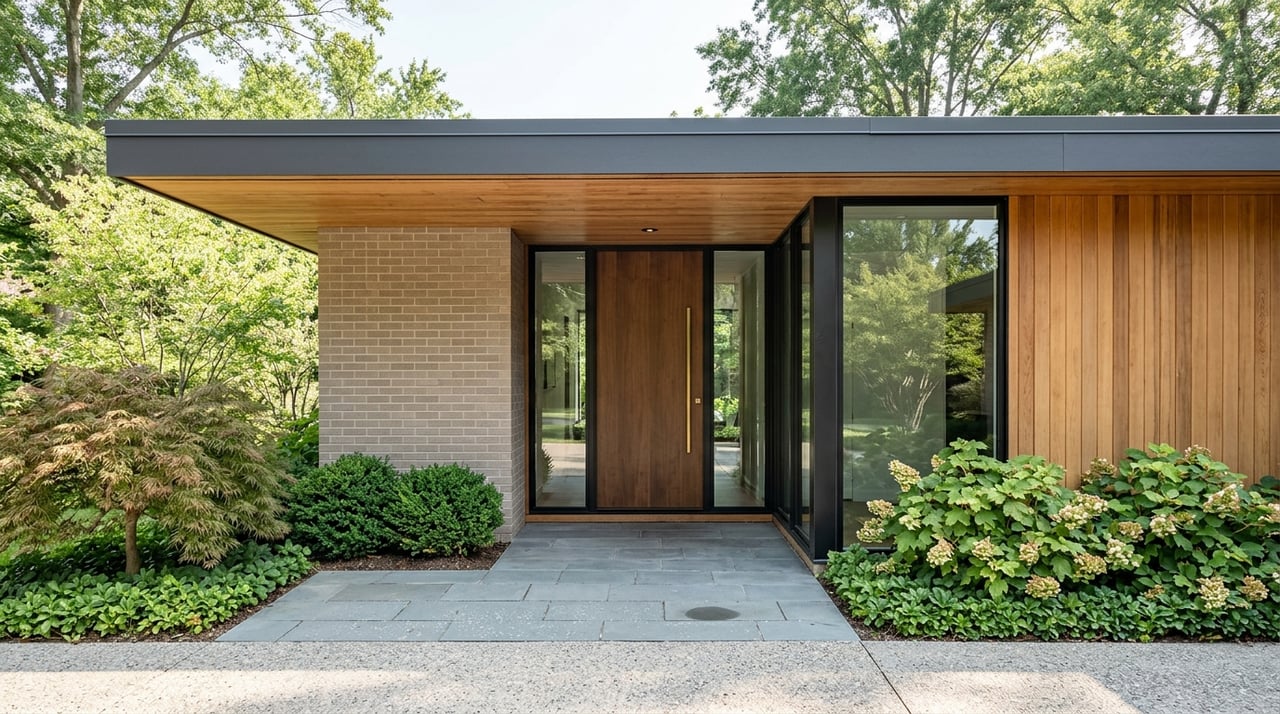
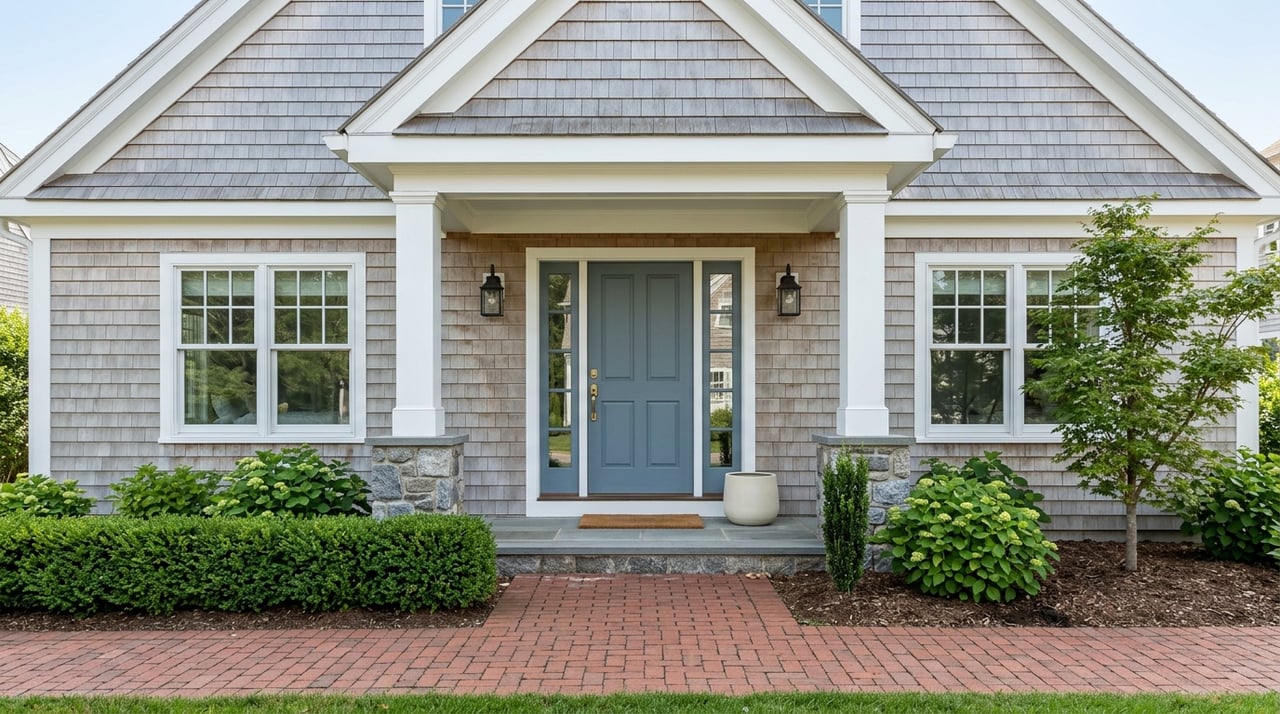
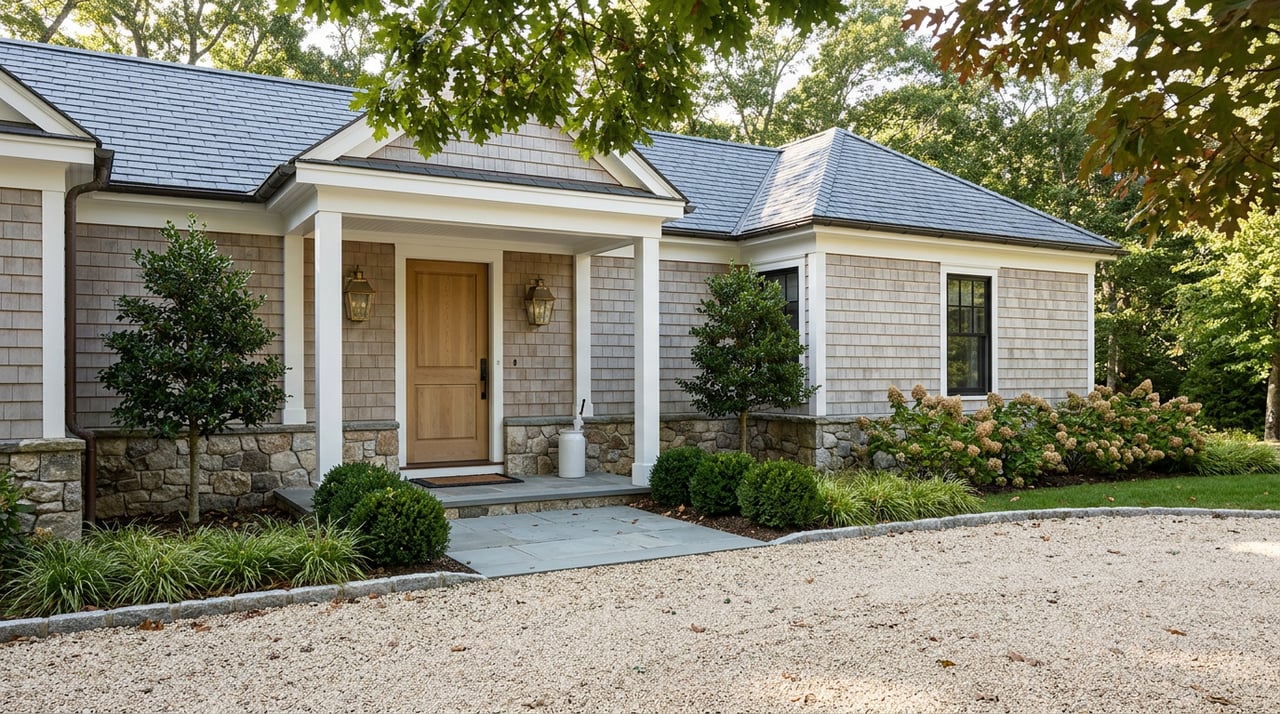
Along the shoreline and village cores, you will notice historic cottages, shingle-style and Colonial Revival homes, mid-century bungalows, and more recent glass-forward rebuilds. Houses often sit closer to the street with sidewalks that encourage daily walks and quick errands. If character and history matter to you, Greenwich’s preservation listings offer helpful context on the area’s architectural fabric (Greenwich Historical Society overview).
Lots along the shore range from compact village parcels to a few acres in select coves. Many small private associations emphasize shared amenities and immediate water access. This setting trades estate-scale privacy for an easy, social connection to the beach and marinas.
Backcountry estates
In the interior, you will find large center-hall Colonials, stone manor houses, country-style estates, and architect-designed compounds. Long drives, wooded setbacks, and gated entries create a sense of arrival. In places like Conyers Farm, parcels are extensive and the association preserves a large-lot character, which translates to more seclusion and on-property recreation (Conyers Farm overview).
The visible scale of life shifts accordingly. Backcountry living often means more time on your property and more driving for daily needs. Waterfront life leans into public or semi-public rituals, from beach days to evening harbor walks.
Daily rhythm and amenities
Waterfront routines
Village centers in Old Greenwich, Cos Cob, and Central Greenwich provide walkable cafés, small groceries, and short errand trips. Weekends frequently revolve around the beach and marinas. Tod’s Point is a hub for swimming, running, and kayaking, with seasonal activity peaking from late spring through early fall (Greenwich Point Park). Many shoreline communities also organize neighborhood gatherings and seasonal events, which keep the calendar lively even as the weather cools.
Backcountry routines
Interior life tends to be club-centered and property-focused. Golf, tennis, riding, and social programming shape weekends, with the Round Hill area representing the country-club tradition that many residents enjoy (Round Hill Club history). For daily errands and school runs, you will likely drive to village nodes and rely on deliveries and service teams for landscaping and maintenance (Greenwich micromarkets context). Street-level socializing is less common than in the village cores, replaced by planned time with neighbors at clubs or at home.
Commute and access
Rail to Manhattan
Greenwich is served by four Metro-North New Haven Line stations: Greenwich, Cos Cob, Riverside, and Old Greenwich. Proximity to a station often determines your weekday routine. Depending on the train and time of day, you can expect a range of roughly 40 to 60 minutes to Grand Central, with the fastest rides from the central station on express service. Always verify the current timetable and test your route during your typical rush hour (Greenwich rail overview).
Driving and highways
If you plan to drive most days, I-95 and the Merritt Parkway connect you regionally. Peak traffic can add variability, and many backcountry addresses add 10 to 20 minutes to reach a station or highway compared with village locations. This is a daily factor to weigh if you want a car-light lifestyle (Greenwich commuting context).
Station parking and permits
Parking demand is high at Greenwich stations, and some lots use permit waitlists. If rail is essential for you, a walkable address may be worth prioritizing. If you ride the train only occasionally, a driving-first routine with hybrid or work-from-home flexibility can work well (Greenwich commuter notes).
Day-in-the-life snapshots
A waterfront Saturday in Old Greenwich
You start with coffee on Sound Beach Avenue, then head to Tod’s Point for a morning run and a swim. After lunch at a village café, the afternoon is boats and beach. Evenings are for sunset walks and an easy drive to dinner on Greenwich Avenue. Your car stays parked more often, and your social calendar moves with the season.
A hybrid-work week in Riverside
You walk to the station for two in-office days, then log in from your home office for the rest. Groceries, the pharmacy, and a midweek dinner are all a short stroll. Weekends include a kayak launch and time with friends who live a few streets away. You trade lot size for time saved.
A privacy-first day in backcountry
You drop off for school, then return to a quiet home office. Midday is a workout and calls on the terrace, followed by an afternoon round of golf or time by the pool. Errands and social plans are scheduled, and the car does more of the work. You trade walkability for privacy and space.
A practical checklist before you choose
- Flood risk and coastal permitting. If you are looking at shoreline property, review FEMA flood maps and the town’s coastal site rules, and understand that docks, seawalls, and similar work often require municipal and state approvals. Connecticut’s coastal policy encourages living-shoreline approaches in many cases, which can shape repair options and costs (CT coastal policy context).
- Maintenance and running costs. Backcountry estates commonly involve larger landscaping, long driveways, and septic or private-road upkeep. Waterfront homes face coastal maintenance and seasonal storm exposure. Ask for recent maintenance budgets and any association fees so you can compare apples to apples (Conyers Farm overview).
- Zoning, additions, and renovations. Greenwich’s Building Zone Regulations and long-term planning shape lot coverage and density. Some estate parcels have association controls or conservation easements. Check town planning resources and verify property records before counting on expansion potential (Town planning resources).
- Social fit and daily errands. Waterfront villages put you closer to shops, parks, and the train. Backcountry life emphasizes privacy and planned social time at clubs or at home. Think through school runs, commutes, and how you like to meet neighbors (Greenwich micromarkets context).
Which lifestyle fits you?
If you value walkability, quick access to cafés and groceries, and summer days that revolve around the water, a waterfront village like Old Greenwich, Riverside, or Cos Cob may feel effortless. If you want acreage, a long drive, and a quiet, club-centered routine, interior areas such as Round Hill, Stanwich, or Conyers Farm deliver that sense of retreat. Both choices offer access to Greenwich Avenue and regional highways, and both serve a variety of work patterns.
Before you decide, visit at different times of day, ride the train during rush hour, and test your drive to the highway. Picture a normal Tuesday in February and a sunny Saturday in July. If you want a confidential sounding board as you weigh options across Fairfield County and the broader New York metro, connect with Carla Kupiec to schedule a private consultation.
FAQs
What defines waterfront vs backcountry in Greenwich?
- Waterfront includes village neighborhoods like Old Greenwich, Riverside, Cos Cob, and Greenwich Harbor areas with beaches and marinas; backcountry refers to interior estate belts such as Round Hill and Conyers Farm with larger lots and more privacy (Greenwich Point Park, Conyers Farm overview).
How long is the train commute from Greenwich to Grand Central?
- Depending on station and train, plan for roughly 40 to 60 minutes, with the fastest rides from the central Greenwich station on express service; always verify current schedules and test your route (Greenwich rail overview).
What coastal permits should waterfront buyers expect in Greenwich?
- Many shoreline projects such as docks or seawalls require town and state approvals, and policy often favors living-shoreline solutions; factor in timelines and long-term upkeep as part of due diligence (CT coastal policy context).
Are backcountry maintenance costs higher than shoreline homes?
- They can be, due to larger grounds, long driveways, and systems like septic or private roads; shoreline homes have their own costs tied to coastal exposure, bulkheads, and seasonal maintenance. Request recent budgets and any HOA fees for clarity (Conyers Farm overview).
Is Greenwich backcountry walkable to shops and trains?
- Typically no. Most interior homes require driving to village centers and stations, while waterfront villages offer shorter trips and more walkable errands; consider your preferred daily routine (Greenwich micromarkets context, Greenwich commuter notes)).