If you are thinking about trading city speed for coastal space, Westport can feel both familiar and surprisingly different. You still keep access to New York City, but the rhythm of daily life changes in ways that matter, from how you commute to how you plan errands, weekends, and homeownership. Understanding those shifts early can help you make a smarter move with fewer surprises. Let’s dive in.
Daily life gets more scheduled
One of the biggest adjustments for former city dwellers is not culture shock. It is logistics. In Westport, everyday convenience often depends on planning ahead instead of making last-minute choices.
The town is about 40 miles outside New York City and had an estimated population of 27,996 in July 2024, according to the U.S. Census QuickFacts for Westport. That smaller scale can feel refreshing, but it also means you are working within a more structured system for commuting, parking, and recreation.
Commutes feel more deliberate
Westport has two Metro-North New Haven Line stations, Westport Station and Green's Farms. For many buyers coming from New York City, that rail connection is a major reason Westport stays on the shortlist.
But the commute experience is different from city transit. Instead of frequent subway hops, your day is more likely to revolve around train schedules, station access, and timing your departure carefully.
The Census reports a mean travel time to work of 40.9 minutes in Westport. That number can be a useful reset if you are used to short, flexible city trips layered throughout the day.
Station access matters more
If accessibility is part of your decision-making, the details are worth knowing. According to the MTA station information for Westport, Westport Station is fully accessible with elevators, ramps, tactile warning strips, and audiovisual passenger information systems.
Green's Farms has ramp access, but it does not have an accessible path between platforms. For some households, that difference could shape which part of town feels more practical.
Local transit still exists, but differently
Westport also offers the Westport Transit District's Wheels2U service, an on-demand shared ride option between most of town and the Saugatuck and Greens Farms stations during weekday commuter windows. The fare is $2 or a Metro-North UniTicket.
That kind of service can be helpful, but it still reflects the broader suburban pattern. You have options, but they are more limited and more time-specific than what many former city residents are used to.
Parking becomes part of the plan
In the city, you may be used to walking, using rideshare, or jumping on transit without much advance thought. In Westport, parking becomes one of the small but constant ways daily life feels different.
At the train station, daily parking costs $6.38, while annual railroad parking permits cost $425.40. Daily spaces are limited, and while parking is free on weekends and national holidays, weekday commuting often works best when you know your plan before you leave home.
Errands are less improvised
Downtown parking also comes with rules. On-street parking on Main Street, Elm Street, Church Lane, Bay Street, and Jesup Road is limited to two hours from 8 a.m. to 6 p.m., though town-owned lots offer longer options.
That may sound minor, but it changes how errands feel. Instead of casually extending a lunch, appointment, or shopping trip, you are more likely to structure your stops in advance.
More space also means more responsibility
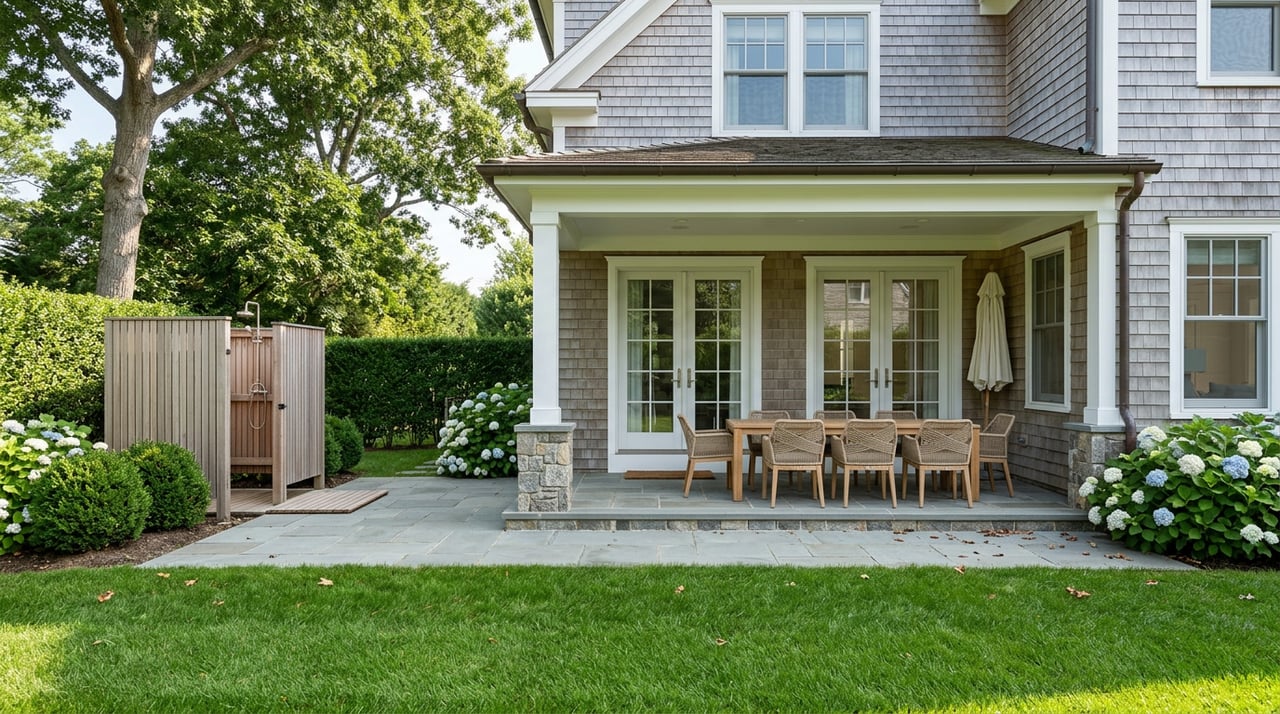
For many former renters, the dream of suburban living starts with space. A larger home, outdoor areas, and more privacy can be a meaningful lifestyle upgrade. In Westport, though, the real shift is not only square footage. It is ownership itself.
According to the Census QuickFacts data, Westport is strongly ownership-oriented. The owner-occupied housing rate is 88.8%, the median value of an owner-occupied home is $1,405,200, and median monthly owner costs are $4,000+ with a mortgage and $1,500+ without a mortgage.
The cost structure changes
Westport's median gross rent is $2,509, which helps frame the contrast for buyers transitioning from rental life. When you move into ownership, your monthly housing budget is no longer just rent or mortgage.
You are also thinking about maintenance, long-term repairs, seasonal upkeep, and carrying costs. That can be a worthwhile trade, especially if you want more permanence and control, but it is one of the clearest changes former city households notice.
Homeownership is more hands-on
In practical terms, suburban living often means more things to manage. Outdoor maintenance, scheduling vendors, and thinking ahead about household systems become part of your routine in a way they may not have in a full-service building.
That does not make Westport less appealing. It simply means the lifestyle is more active behind the scenes, even when it feels calmer on the surface.
Social life shifts into local institutions
One of the most appealing things about Westport is that it does not feel culturally thin. You are not leaving behind activity. You are changing where that activity happens.
Instead of endless density and constant drop-in options, Westport's public life is built around recurring local institutions, programs, and seasonal traditions. That often creates a stronger weekly rhythm and a deeper sense of participation.
Arts and culture stay part of the mix
The town's arts and culture resources highlight a wide range of destinations, including Levitt Pavilion, MoCA CT, Westport Community Theatre, Westport Country Playhouse, the Westport Museum for History and Culture, and the Westport Writers' Workshop.
Levitt Pavilion has offered free summer evening entertainment since 1973, which says a lot about how culture shows up locally. In Westport, arts programming is not an occasional add-on. It is part of the town's regular rhythm.
The library plays a bigger role
For many former city residents, the idea of a library as a social anchor may be a new one. Westport's own arts page describes the Westport Library as serving residents and neighboring towns through programs, circulation, and special events, and notes that it is one of the most active libraries in the state.
That kind of institution often becomes a real part of everyday life. It is less about convenience and more about community habits.
Civic life is more visible
Another change is how easy it is to see town life happening around you. The town's digital resources give residents direct access to meeting lists, minutes, and live town meetings.
For people coming from larger cities, that visibility can feel surprisingly direct. Local government and civic participation are simply closer to the surface.
Weekends lean outdoors
Westport offers a different kind of weekend energy. Rather than building your plans around dense urban options, you are more likely to choose among beaches, parks, walking areas, cultural programming, and local dining.
That shift is one of the reasons many buyers are drawn to the town in the first place. But it also comes with structure, especially in peak season.
Beach access is great, but regulated
Westport has three town beaches: Compo, Burying Hill, and Old Mill. Town beach parking emblems are required from May 1 through Sept. 30.
Compo and Burying Hill allow daily fees at the gate, while Old Mill is emblem-only. Compo daily passes are limited to 125 per day, with fees of $45 on weekdays and $70 on weekends and holidays.
That means beach time can feel less spontaneous than many newcomers expect. The access is there, but planning ahead matters.
Compo Beach is a real destination
According to the town's Compo Beach page, Compo is a 29-acre park with a sand beach, boardwalk, pavilion, concession stand, volleyball courts, playscape, bathrooms, and lockers.
Burying Hill Beach includes picnic tables, grills, restrooms, and changing areas. Old Mill Beach has limited parking and no restroom or changing area facilities. Those details may seem small, but they shape how you use each space and how you plan family or guest outings.
Nature becomes part of your routine
Westport also highlights nature-focused destinations and programming, including Earthplace, Wakeman Town Farm, and the Westport Farmers Market, which has operated since 2006.
This is part of what changes most after city life. Outdoor space is not just scenery. It becomes woven into your week.
Westport still feels complete
A common concern among city buyers is whether suburban life will feel too quiet or too limited. Westport tends to answer that concern differently than many towns.
The town's economic opportunity page describes Westport as a Fairfield County dining destination with more than 70 restaurant options. That range helps explain why the town often feels full-service without feeling urban.
You can still have variety, strong amenities, and access to New York City. The difference is that Westport packages those benefits in a smaller, more intentional framework.
What changes most, in one sentence
If you are moving from the city to Westport, the biggest shift is this: life becomes less spontaneous and more intentional.
You trade subway frequency for train schedules, curbside improvisation for parking rules, apartment living for ownership responsibilities, and neighborhood density for institutions and outdoor spaces that organize community life. For many buyers, that trade feels more balanced, calmer, and ultimately more rewarding.
If you are weighing that move and want a thoughtful, private conversation about how Westport compares with other Fairfield County options, Carla Kupiec offers the kind of tailored guidance that can help you move with clarity.
FAQs
What is the biggest lifestyle change in Westport for former city dwellers?
- The biggest change is usually daily logistics. In Westport, commuting, parking, errands, and recreation often require more planning than they do in a city environment.
How does commuting from Westport compare with commuting in New York City?
- Westport commuters often rely on Metro-North schedules rather than high-frequency subway service, and the Census reports a mean travel time to work of 40.9 minutes.
What should former renters know about owning a home in Westport?
- Many buyers notice that more space also comes with more responsibility, including maintenance, carrying costs, and longer-term planning tied to homeownership.
How do Westport beaches work for new residents?
- Westport has three town beaches, and beach parking emblems are required from May 1 through Sept. 30, with daily access rules and fees varying by beach.
Does Westport still offer culture and activities for former city residents?
- Yes. Westport has a strong network of arts, library, nature, and community institutions that shape local life, including Levitt Pavilion, MoCA CT, Westport Country Playhouse, Earthplace, and the Westport Farmers Market.